
Advanced water treatment involves cleaning water using modern, effective methods so it becomes safe for people to use and drink. Water is used every day for drinking, cooking, and washing. If water is not clean, it can carry harmful germs or chemicals that make people sick. Clean water helps protect public health, and keeping water clean is a key part of preventing illness in communities. According to the World Health Organization (WHO), safe water is one of the most effective ways to improve health and reduce disease worldwide.
Many places start with simple cleaning steps, such as removing dirt and adding chlorine to kill germs. But as pollution and chemical contamination of water increase, those steps are not always enough. Advanced water treatment uses newer technologies that remove tiny or hard-to-see impurities that basic treatment might miss. These methods help water systems meet high health and safety standards and make water safer for drinking and daily use.
Clean, treated water can stop many harmful health problems. Without good treatment, people can get serious sickness from tiny organisms in water. Water that appears clear can still contain things that harm health. Advanced treatment helps reduce those risks and makes water safer for everyone.
The Link Between Water Quality and Health
Clean water is very important for good health. When water is safe, people are less likely to get sick from germs or harmful chemicals. The better the water is treated and monitored, the less likely it is to cause disease and health problems.
Water can become unsafe in many ways. It can pick up pollution from natural sources, such as soil and rocks, or from humans through wastewater, industrial waste, and agricultural chemicals. When unsafe water is used for drinking or cooking, it can cause short-term illnesses like stomach pain, vomiting, diarrhea, or infections, and long-term problems like cancer or organ damage.
Bad water quality can also affect entire communities. In places with less access to water treatment and sanitation, more people get sick, especially children. Millions of deaths each year are linked to contaminated water and poor sanitation.
Health problems from poor water quality include infections from bacteria and viruses, chemical poisoning from heavy metals and pollutants, and chronic illnesses that develop over time. These risks make safe water treatment vital for public health everywhere.
Why Conventional Treatment Isn’t Enough
Many water systems still use basic steps to clean water. These steps include adding chemicals to make particles stick together, letting them settle, filtering out solids, and using chlorine to kill germs. This process helps remove dirt, bacteria, and some chemicals, but it was designed long ago and has limits. Modern water is affected by new types of pollution that basic methods often cannot fully remove.
One big problem is that simple treatment methods do not always stop emerging contaminants, such as tiny chemical residues from medicines, personal care products, or industrial waste. These substances can stay in the water even after regular cleaning and may affect health over time.
Another issue for conventional systems is the presence of microbes that grow in pipes or form protective layers called biofilms. These can help bacteria survive even after treatment and change over time with weather and climate shifts.
Chlorine and similar disinfectants kill many germs, but they can react with natural materials in water to form new chemicals that must also be managed. And while a multi-stage approach can remove many pathogens, some very small or resistant microbes can still get through unless more advanced steps are added.
Because of these limits, water quality experts and regulators are focusing on stronger, more targeted methods to make drinking water safer and reduce health risks that traditional treatment does not fully address.
What Is Advanced Water Treatment?
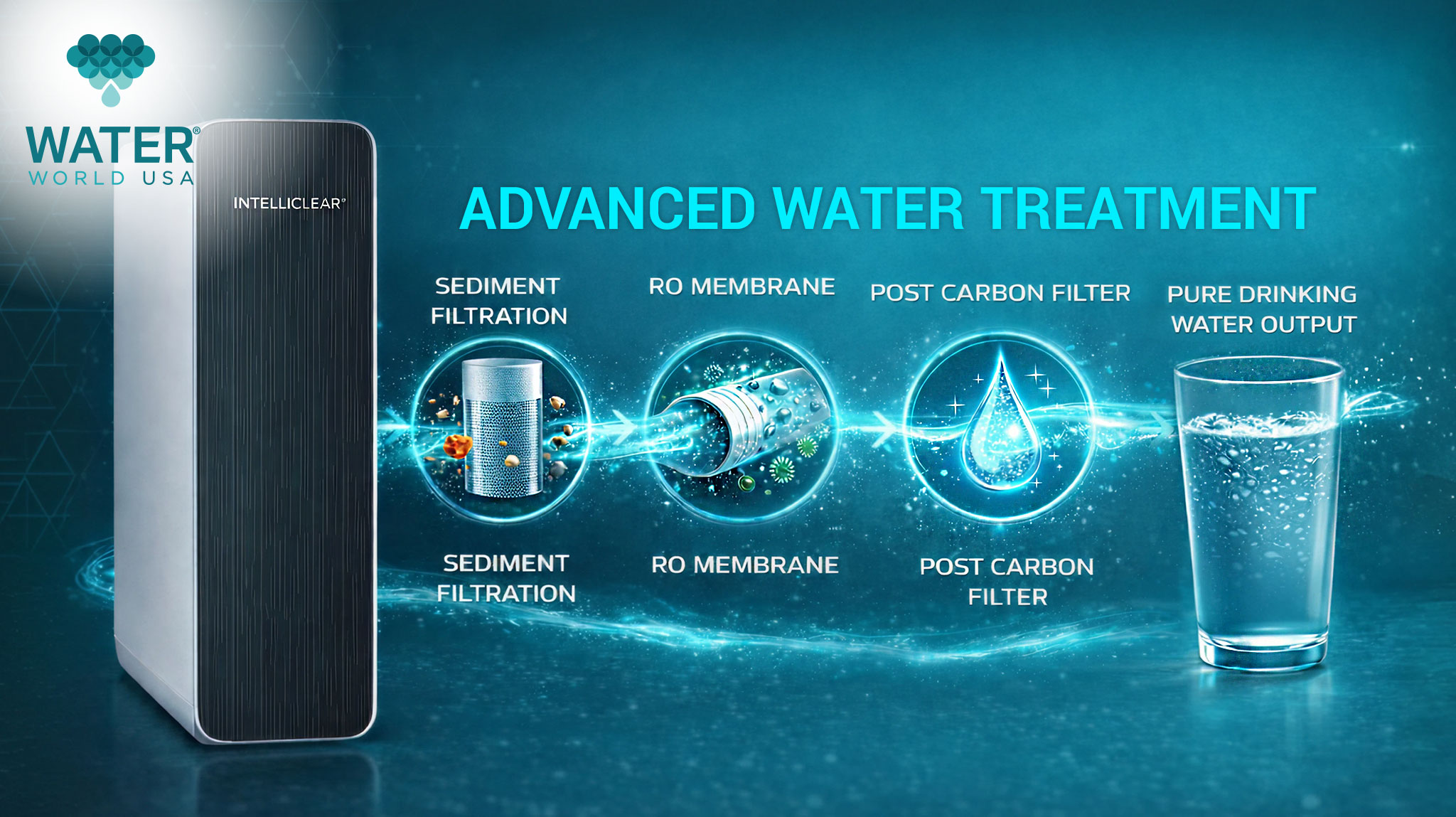
Advanced water treatment refers to modern methods that clean water more deeply than traditional processes. These technologies are designed to remove tiny or hard-to-see pollutants that regular treatment might miss. Advanced systems help communities meet higher water quality goals and protect public health by reducing contaminants in drinking water and wastewater.
Key Treatment Technologies
Modern water treatment systems use a mix of methods to improve water safety:
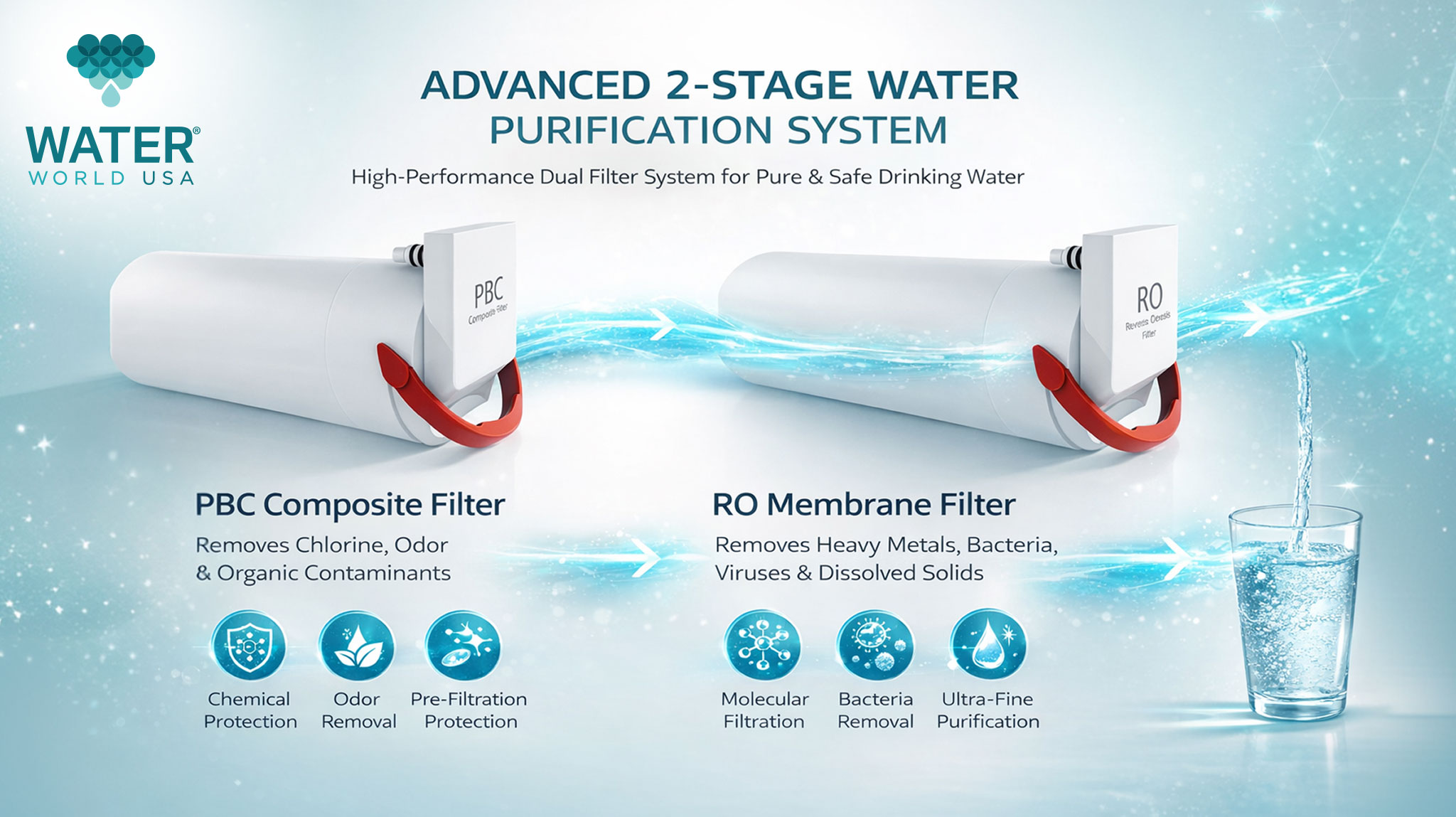
- Membrane filtration uses thin barriers to catch particles and pollution. This includes reverse osmosis and nanofiltration, which can remove many dissolved chemicals and particles that older systems cannot.
- Ultraviolet (UV) disinfection uses light to inactivate microbes, preventing them from causing disease.
- Activated carbon filters adsorb many organic pollutants and chemicals that can affect smell, taste, or health.
- Advanced oxidation processes (AOPs) use special chemical reactions to break down stubborn contaminants.
These technologies are often combined in a multi-barrier approach, so water passes through several cleaning steps before it is delivered for use. This layered design improves safety because no single method can remove all types of contaminants.
Membrane Technologies: Nanofiltration and Reverse Osmosis
Reverse osmosis (RO) pushes water through a very fine membrane that keeps out many kinds of pollution, including dissolved solids, chemicals, and some microbes. Nanofiltration (NF) also uses a membrane but operates at lower pressure and can remove certain dissolved substances while letting some harmless minerals remain. Both technologies are important for producing high-quality water, especially when water sources have complex contaminants.
Why These Methods Matter
Because traditional systems were built for older forms of pollution, they sometimes struggle with modern challenges like trace organic chemicals, pharmaceuticals, and emerging contaminants that can affect human health. Advanced methods help water utilities meet stricter health standards and reduce the risk of exposure to harmful substances.
Health Benefits of Advanced Water Treatment
Clean and safe water helps keep people healthy. Well-treated water has fewer germs and fewer dangerous chemicals. This means fewer diseases and better health for everyone who uses it. Safe water quality and health go hand in hand, and effective treatment helps protect both individuals and whole communities. According to the World Health Organization (WHO), access to safe water is one of the most effective ways to reduce illness and improve well-being worldwide.
1. Protecting People From Germs
When water contains germs like bacteria, viruses, or other tiny organisms, it can cause sickness when people drink or use it. Advanced treatment methods are very good at removing these microbes from water. This helps prevent outbreaks of waterborne illness and supports public health efforts to reduce disease transmission.
2. Reducing Harmful Chemical Exposure
Water can carry chemicals from industry, farming, and everyday products. Some of these chemicals are hard to remove with basic water cleaning. Advanced steps help remove many of these hard-to-see pollutants and make water safer. Removing these chemicals can reduce the risks associated with long-term exposure. Evidence shows that newer treatment systems that target stubborn pollutants also bring benefits by cleaning up many other harmful substances at the same time.
3. Supporting Environmental and Human Health Together
Better water treatment also helps protect plants, animals, and ecosystems. Cleaner water going into rivers and lakes means less pollution for people and wildlife. Strong systems help ensure wastewater is properly treated before it is released back into the environment. This supports public health by making water safer for people to use in many ways.
4. Helping Communities Stay Healthy
Good water treatment affects whole communities. When more people have access to safe water, fewer people get sick, and fewer medical resources are needed to treat water-related illnesses. This improves overall health and quality of life. Water treatment that goes beyond basic steps helps communities meet higher safety goals and creates healthier places to live.
Real-World Applications and Case Studies
Real examples show how advanced treatment makes water safer for people and the environment. Many projects worldwide use advanced methods to improve water quality and protect public health. These cases help us see how technology works in real life, not just in theory.
1. Big City Water Projects
One of the largest advanced water treatment facilities is the Blue Plains Advanced Wastewater Treatment Plant in Washington, D.C. This facility treats large volumes of wastewater through multiple advanced steps so the water released into rivers meets strict safety standards. It helps protect people who use the rivers and nearby waters for recreation and drinking water sources.
In New York State, the Catskill-Delaware Water Ultraviolet Disinfection Facility uses modern ultraviolet (UV) disinfection to reduce germs that are resistant to older treatment methods. This plant helps ensure that the drinking water for millions of people is free from harmful microbes that cause illness.
2. Drinking Water Reuse Demonstrations
Some cities have tested using treated wastewater as a drinking water source. The Denver Direct Potable Water Reuse Demonstration Project demonstrated that treated wastewater could meet the safety and quality standards required for public water supplies. This helped experts learn how advanced water treatment can create new, safe water sources, especially in areas where water is scarce.
3. How These Projects Help Health
Across these examples, advanced treatment helps reduce pathogens, lower harmful chemical levels, and support the reuse of water that would otherwise be wasted. These benefits help prevent outbreaks of waterborne illnesses and make sure that clean water is available for daily use and future needs. Real-world case studies highlight the importance of using newer treatment methods to meet evolving challenges in water safety and public health.
Challenges and Future Trends for Advanced Water Treatment
Advanced water treatment plays a big role in keeping water safe and protecting human health. But ongoing challenges and new trends areshaping the future of clean water systems. These trends aim to make water purification smarter, more efficient, and sustainable while helping protect public health and the environment.
1. Challenges Facing Water Treatment Systems
Even as technologies improve, water treatment systems still face several real-world challenges:
- Growing Contaminants: New types of pollutants, such as tiny chemical residues from medicines, industrial waste, and microplastics, continue to enter water sources. These contaminants are often difficult to remove with older cleaning methods, so new technologies must evolve to address them.
- Energy and Cost Barriers: Advanced technologies can require more energy or investment than older methods. Many utilities and communities struggle to pay for upgrades, especially as water infrastructure ages.
- Scalability and Sustainability: Some innovative ideas, like nanotechnology for water cleanup, show promise in the lab but are still hard to use widely. Researchers are studying how to scale them up safely without harming the environment.
- Population Growth and Scarcity: World population increases and climate pressures mean more people need clean water, while available fresh water can be scarce. This pushes utilities to rethink how they treat and reuse water.
These problems make it clear that advanced water treatment must continue to improve so that water remains safe and accessible for public health.
2. Future Technology Trends
Researchers, engineers, and water utilities are exploring a mix of technologies to meet future needs:
- Sensors, IoT, and Data Tools: New monitoring tools, including smart sensors and real-time analytics, help detect water quality issues sooner and let operators respond faster.
- Energy-Efficient Filtration: Methods such as membrane technologies and enhanced membrane filtration and adsorption systems are being refined to operate with less energy and greater removal efficiency.
- Innovative Oxidation Methods: New versions of advanced oxidation processes (AOPs) and techniques, such as ozone micro-nanobubbles, improve how disinfection and contaminant breakdown occur.
- Resource Recovery: Beyond just cleaning water, future systems may help recover useful materials such as nutrients or energy from wastewater, making treatment more sustainable.
- Hybrid and Circular Designs: Combining biological, chemical, and physical processes in flexible systems can make water treatment more adaptive to local needs.
3. What This Means for Health and Water Safety
These challenges and trends show that advanced water treatment is not a fixed solution but a continually evolving effort to protect people and ecosystems. Better technologies and smarter systems can:
- Detect and remove emerging contaminants more reliably
- Help communities deal with growing water demand
- Support plans to reuse water safely
- Improve long-term public health outcomes
As research and innovation continue, advanced water treatment will play a key role in ensuring safe water for future generations.
Conclusion
Clean and safe water is essential for good health, daily living, and strong communities. Safe drinking water plays a major role in preventing sickness caused by germs, chemicals, and pollutants. When water is treated thoroughly and carefully, the risk of disease decreases, and overall health improves. Governments, health agencies, and water providers work together to make sure water meets strict quality standards before it reaches people’s homes, but ongoing attention is still needed to protect health worldwide.
Modern threats, such as pollution from chemicals, waste, and industrial activities, mean that simple cleaning methods are not always enough. Advanced technologies such as membrane filtration, ultraviolet disinfection, activated carbon adsorption, and other modern processes help remove a wider range of harmful substances, so water is safer to drink. These innovations support strong public health systems by reducing disease, protecting vulnerable populations, and promoting long-term well-being.
Global efforts, including the United Nations Sustainable Development Goal 6, aim to ensure access to safe and affordable water for everyone by 2030. Clean water is not only a key to better health but also a human right acknowledged by international law. Continued investment in technology, policy, and community education will help keep water safe for future generations.
In summary, water treatment matters for health because it protects people from waterborne diseases, reduces exposure to dangerous contaminants, supports healthy living environments, and strengthens overall public health outcomes. Safe water benefits individuals, families, and entire societies, and advanced water treatment plays a vital role in making this possible now and into the future.