
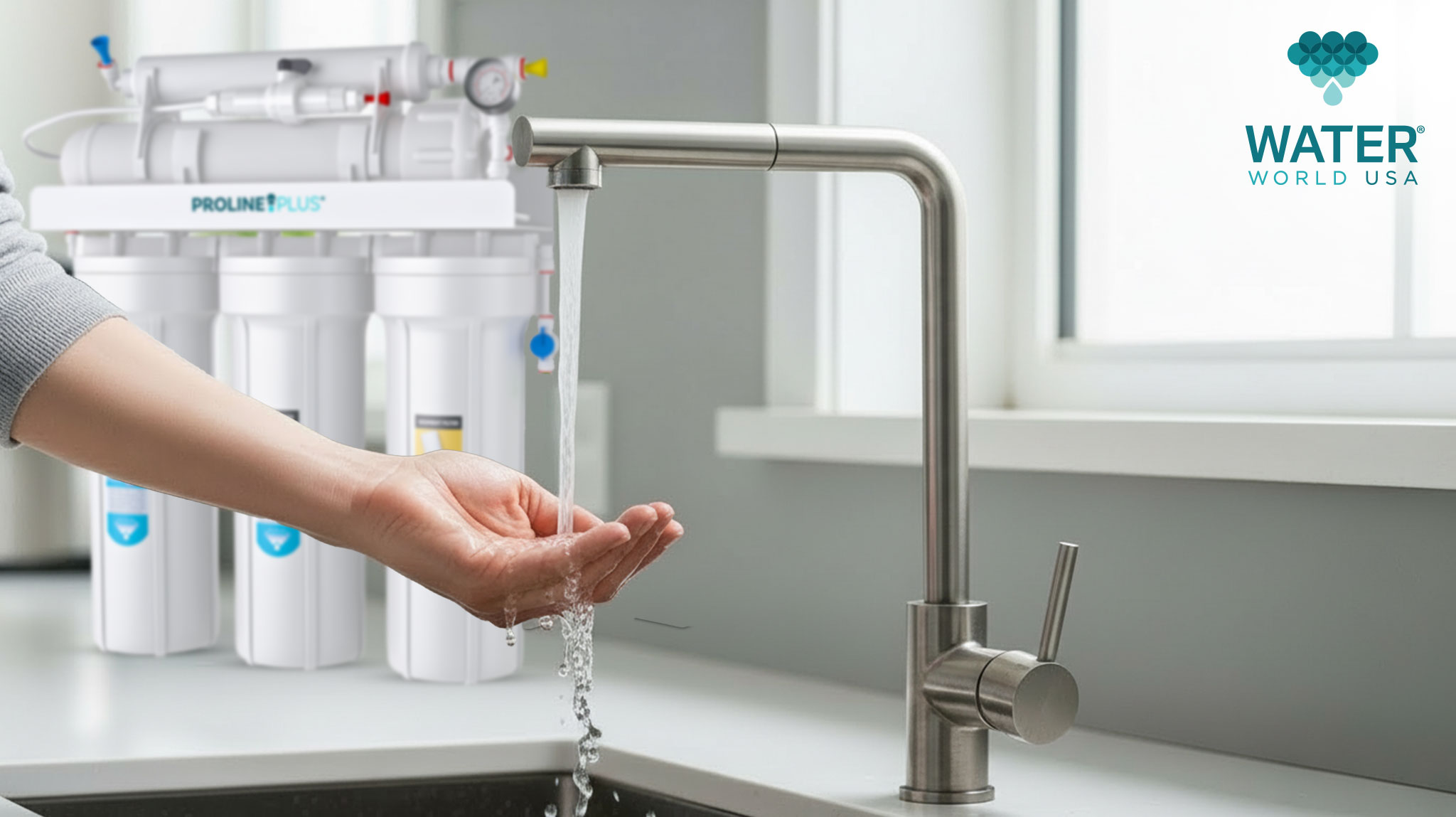
Clean water is one of the most critical needs for life on Earth. Without safe water, people and all living things cannot stay healthy or live well. Clean water means water free of harmful pollutants and safe for drinking, cooking, hygiene, and other daily uses. Safe drinking water and potable water help keep our bodies working properly and prevent many serious illnesses. The United Nations General Assembly recognizes access to clean water as a human right, as it is essential for health, dignity, and survival.
People need clean water every day for many purposes, such as hydration, nutrition, and good hygiene. Our bodies are composed primarily of water, and we use it to transport nutrients, regulate body temperature, and eliminate waste. Clean water also supports environmental water quality and freshwater ecosystems, making it vital for both people and nature.
Why Water Is Fundamental to Life
Water is one of the most essential substances for all life on Earth. Every plant, animal, and person needs water to survive. Clean water supports human health, ecosystems, and all living systems. Without it, life would not exist as we know it today. Scientists even look for water on other planets because where there is water, there might be life.
What Water Does for Living Things
Water is a fundamental necessity for life because it plays many essential roles within the body and in nature. Most living organisms are made mostly of water. For example, the human body is about 60 % water. Water helps transport nutrients to cells and remove waste products that the body does not need. It also regulates body temperature, supports digestion, and helps cellular chemical reactions function properly.
Water functions as a transport system within the body andthe environment. It dissolves many substances, allowing essential materials to move where they are needed. It also helps cool the body during sweating, protects joints, and keeps tissues soft and healthy. Without sufficient water, these physiological processes cannot function properly.
Why Clean Water Matters
Not just any water can support health. Clean water must be safe to drink and free from harmful contaminants. Clean water is linked to public health, improved hygiene, and the prevention of waterborne diseases such as cholera and typhoid. Safe water also supports healthy ecosystems where plants and animals live, and it helps soil and habitats stay balanced.
Recognizing its vital importance to life and health, the United Nations General Assembly has recognized access to clean and safe water as a human right. This means that every person should have access to sufficient safe, clean, and affordable water for daily use.
Direct Health Benefits of Clean Water
Clean water is essential for health and public health worldwide. When water is safe to drink, it helps keep our bodies working properly and prevents many illnesses. Water quality matters because when water is clean and free from harmful germs, chemicals, or toxins, people get sick less often and live healthier lives.
Hydration and Bodily Functions
The body needs clean water every day. Drinking clean water benefits the body by helping organs function properly, transporting nutrients, and removing waste. Water also helps maintain a normal body temperature, supports digestion, and supports your immune system. If you do not drink enough safe water, you can get dehydration and health problems like headaches, tiredness, and kidney issues.
Prevention of Waterborne Diseases
One of the most significant health benefits of clean water is its prevention of waterborne diseases. Unsafe or contaminated water can carry dangerous germs that cause illnesses such as cholera, typhoid, dysentery, and other diseases. Cleaning and treating water stops these germs from spreading. Improved sanitation and hygiene (WASH) help people avoid these diseases and maintain community health.
Better Public Health Outcomes
When communities have access to safe drinking water, fewer people get sick. Clean water supports immune function and overall health. It also reduces the number of deaths and illnesses associated with contaminated water and poor sanitation. Providing clean water can reduce deaths and disease cases each year, particularly in areas with weak water systems.
Clean water is not just suitable for drinking. Safe water also facilitates handwashing and everyday hygiene. Washing hands with clean water helps stop the spread of infections and protects people of all ages.
Environmental Importance of Clean Water
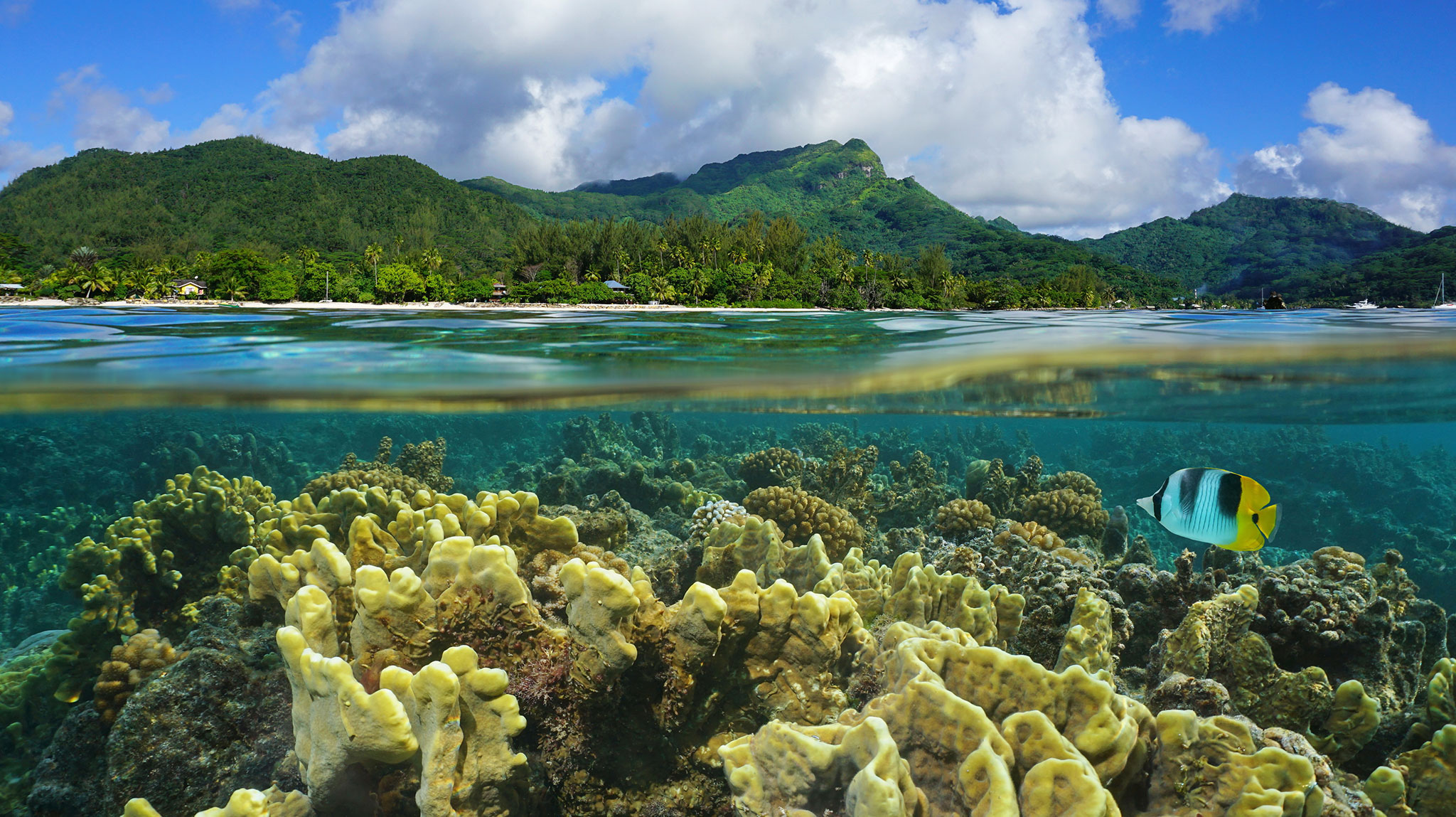
Clean water is vital not only for people but also for the environment and the ecosystems that support all life. Water quality affects rivers, lakes, wetlands, and the many plants and animals that depend on them. Protecting clean water helps keep freshwater ecosystems healthy, supports biodiversity, and ensures nature can continue to provide essential services for humans and wildlife.
Freshwater Ecosystems Support Life
Freshwater ecosystems, including rivers, streams, lakes, wetlands, and groundwater aquifers, provide most of the water we use. These ecosystems help keep water clean and abundant by filtering out pollution and maintaining its flow. Vegetation, wetlands, and natural land cover act as filters that remove harmful substances before they reach drinking water sources.
Healthy water systems support many species of fish, amphibians, birds, insects, and plants. These organisms are part of complex food chains that sustain nature. When water becomes polluted, biodiversity declines, and many species struggle to survive. Protecting water quality helps maintain biodiversity.
Clean Water Keeps Ecosystems Balanced
Good water quality supports many natural cycles on which the environment relies, such as the movement of nutrients and oxygen through ecosystems. If pollutants enter waterways, algae may proliferate and consume oxygen, thereby killing fish and other aquatic life. This process, called eutrophication, demonstrates the importance of clean water for a balanced ecosystem.
Wetlands and riparian areas (land beside rivers and streams) also help prevent soil erosion, trap harmful sediments, and reduce the risk of flooding. These natural zones are integral to healthy water systems and provide habitat for many species.
Environmental Benefits of Clean Water
Clean and healthy water supports ecosystems that:
- Provide habitat for fish, birds, and other wildlife.
- Support biodiversity and prevent species loss.
- Help filter pollutants and improve overall water quality.
- Reduce harmful impacts from excessive nutrients and pollution.
Healthy ecosystems also benefit people by providing food, clean water, and regulating the climate. Because of the close link between nature and people, sustainable water resources are critical to both environmental and human well-being.
Societal and Economic Impact of Clean Water
Clean water affects more than health and the environment. It affects communities, education, work, farming, food, and the economy. When people have access to clean, safe drinking water, families and societies are stronger and more prosperous. Numerous global reports indicate that access to clean water supports economic growth and reduces poverty.
Clean Water and Education
When clean water is nearby, children can attend school more often and perform better. In many areas without access to clean water, children spend hours collecting water each day instead of learning. Clean water also supports good hygiene in schools, so students miss fewer days because they get sick less often. This means better education outcomes and brighter futures.
Clean Water and Productivity
With access to clean water and adequate sanitation, people are healthier and miss fewer workdays. This increases productivity and helps families earn more money. Clean water also helps people attend work regularly and supports agricultural irrigation and farming, thereby improving crop growth. When farmers have access to safe, adequate water, food production increases, and families can sell more produce, thereby supporting local economic development.
Clean water also lowers health care costs because fewer people get waterborne diseases that require treatment. When families spend less on health care, they can invest in food, education, and business. Investments in clean water and sanitation create jobs and boost economic output across sectors, including business, agriculture, and industry.
Community Growth and Equality
Access to clean water helps reduce poverty by reducing time and money spent on illness and water collection. It also gives women and girls more time for education and work, as they often carry water in areas where clean water is scarce. Clean water helps entire communities become stronger, more educated, and more equal when everyone can benefit from safe water for daily life.
Clean water is not just about drinking. It supports schools, work, farming, businesses, and the social and economic well‑being of families and nations. This is why clean and safe water is part of Sustainable Development Goal 6 (SDG 6), which aims to ensure clean water and sanitation for all.
Challenges to Clean Water Access

Although clean water is essential for life, many people worldwide still lack access to safe, clean drinking water. This causes serious problems for health, society, and the environment. Most of these challenges stem from water scarcity, pollution, inequality, and resource constraints.
Water Scarcity and Global Shortages
One of the biggest challenges is water scarcity, which means not having enough clean water to meet people’s needs. Around half of the world’s population experiences severe water scarcity at least part of the year. This affects health, agriculture, and food production because people and crops require clean water daily.
Many areas with arid climates, rapid population growth, or inadequate water management struggle to provide safe drinking water. In some regions, millions of people lack access to clean drinking water each day due to drought and erratic rainfall patterns that make water more difficult to find and store.
Contamination and Pollution of Water Sources
Even where water exists, it can be unsafe. Water pollution from untreated wastewater, industrial waste, and poor sanitation makes many water sources unfit for drinking. In lower‑income countries, weak treatment systems lead to poor water quality, while in wealthier countries, agricultural runoff causes severe water pollution.
Polluted water harbors dangerous bacteria and chemicals that cause waterborne diseases, making it harder to ensure safe access to water, especially in rural and low-income communities.
Inequality in Water Access
There is also global inequality in access to water. Many people in low‑income regions, such as sub‑Saharan Africa and parts of Asia, spend hours every day collecting water because their homes lack piped potable water. Women and girls are often responsible for this task, which takes time away from education and work.
According to recent reports, billions of people lack reliable, safe drinking water, and billions more lack adequate sanitation facilities. This inequality drives higher disease rates and limits opportunities for education and economic growth.
Climate Change and Extreme Weather
Climate change affects water availability by intensifying droughts, increasing flood risk, and altering weather patterns. These changes can damage water systems and reduce the availability of clean water. Climate‑related problems also harm farmland irrigation, making it harder to grow food that depends on a steady water supply.
Lack of Infrastructure and Resources
Many communities lack the infrastructure needed to deliver clean water and sanitation services. This indicates that there are insufficient treatment plants, reliable piping, or systems to protect water quality. In areas with poor infrastructure, drinking water may become contaminated before reaching households.
Why These Challenges Matter
These challenges show that access to clean water is not guaranteed for everyone. When people lack access to safe water, it harms their health, prevents children from attending school, and impoverishes communities. It also puts pressure on natural freshwater ecosystems, which depend on clean water to survive. Progress toward Sustainable Development Goal 6 (SDG 6), which aims to ensure access to water and sanitation for all, requires concerted efforts by communities, governments, and global partners.
How Clean Water Is Ensured
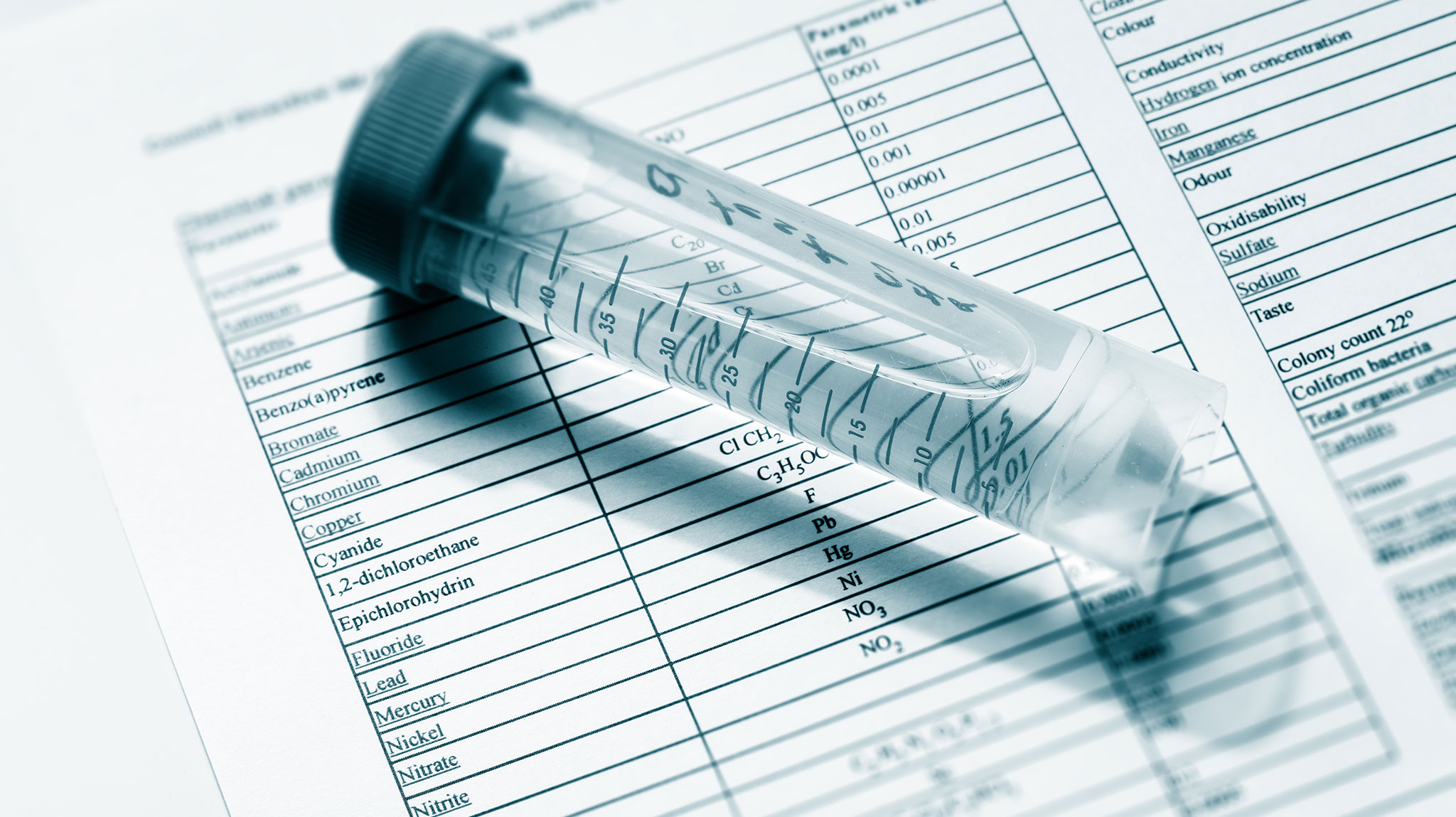
Ensuring clean water for every person and community requires multiple systems working together to ensure water is safe, free of harmful pathogens, and suitable for daily use. This involves water treatment systems, water purification, community water projects, policies, and monitoring so that every step from source to tap is protected. Clean water systems also support the goals of Sustainable Development Goal 6 (SDG 6), which aims to ensure access to clean water and sanitation for all.
Water Treatment and Purification Systems
Water treatment is the process that turns raw water into safe drinking water. Water treatment plants remove harmful substances such as bacteria, viruses, parasites, and harmful chemicals before the water reaches homes and schools. Most systems employ processes such as coagulation, flocculation, sedimentation, filtration, and disinfection to make water safe. Disinfection kills harmful germs using chlorine, ozone, or ultraviolet light.
Water purification includes these treatment processes and other methods that remove both biological contaminants and chemical pollutants. This helps make water potable, safe for drinking, cooking, andhygiene. Purification can be done on a large scale in treatment plants or on a small scale with portable water purification units in remote areas.
Monitoring Water Quality
Maintaining high water quality requires continuous monitoring for contamination. Water suppliers regularly monitor for bacteria, chemicals, and other contaminants that pose risks to public health before the water enters the distribution system. This monitoring helps ensure that safe water remains clean from the plant through household use.
Community and Local Water Projects
Communities worldwide collaborate to ensure access to clean water. Local water projects can include building new storage tanks, laying pipelines to safer sources, and installing gravity‑fed systems or water treatment units so families have water all year. These efforts help communities achieve water security even during periods of drought.
Community‑based plans also involve residents in protecting water sources and monitoring water quality. When people manage their own water systems, they can respond more quickly to problems and reduce contamination.
Sanitation, Hygiene, and Policy Support
Clean water systems are more effective when integrated with sanitation and hygiene efforts. Programs that improve WASH (water, sanitation, and hygiene) help prevent the spread of waterborne diseases by ensuring safe water, safe waste disposal, and enhanced handwashing practices in schools and homes.
Governments and international bodies set policies and standards to protect water quality and expand access to safe water. Laws such as drinking water safety regulations and funding for water infrastructure help communities build and maintain the systems they need to reliably deliver clean water.
Innovation and Long‑Term Resilience
New technologies and innovations in water treatment help mitigate challenges such as pollution and climate stress. Some communities use renewable energy or decentralized systems to bring clean water to remote areas. Planning for climate change and resilient infrastructure supports long‑term access to clean, safe water for everyone.
By combining water treatment processes, adequate water quality monitoring, community participation, sanitation programs, and strong policy support, clean water becomes a reliable part of everyday life for people worldwide. These measures protect health, support ecosystems, and help reach global goals for water access.
Personal and Household Actions
Everyone can help ensure their family drinks clean, safe water free from harmful germs or contaminants. Even when a town provides safe drinking water, households can take extra steps to protect their health and improve water quality at home.
Understand Your Water Quality
First, find out what is in your water. If you use water from a public water system, consult the utility’s annual water quality report to determine whether it meets safety standards. If you use a private well, have your water tested at least once a year for harmful germs and chemicals. Knowing your water quality is the first step to keeping water safe to drink.
Treat Water if Needed
If test results show problems, consider ways to make water safer at home. Many people install home filtration systems or filters that reduce germs, heavy metals, and other contaminants. Some affordable options include simple cloth filters or household water purification devices. Government health agencies recommend selecting the appropriate system based on the contaminants present.
Boil Water When Advised
If health officials warn that tap water is unsafe, boiling the water for a few minutes can kill most harmful bacteria and viruses before drinking or cooking with it. This method is effective during emergencies or boil-water advisories.
Keep Fixtures and Filters Clean
Clean and maintain water-using devices, such as filters, jugs, and faucets. Replace filter cartridges when they are worn out and follow the manufacturer’s instructions. Regular maintenance helps prevent germs from growing inside the systems meant to keep water safe.
Store Water Safely
Use clean containers for water storage and cover them to keep out dust and insects. If you collect rainwater or store water for emergencies, make sure it is covered and tested to ensure it is safe to drink.
Protect Your Water Source
At home and in your community, avoid pouring chemicals, paints, oils, or hazardous waste near water sources. These substances can seep into groundwater or surface water, making it unsafe. You can also support local clean‑up activities to protect rivers and lakes in your area.
Practice Good Hygiene
Good hygiene helps prevent germs from spreading to your water. Wash your hands before handling water or food, and keep kitchen surfaces clean. These habits reduce the risk of waterborne diseases and protect your family’s health.
Taking these simple steps can improve drinking water safety at home, protect your family’s health, and support broader efforts to achieve clean water for all, as outlined in Sustainable Development Goal 6 (SDG6).
Conclusion
Clean water is one of the most critical life needs. Every person, animal, plant, and freshwater ecosystem depends on clean water to survive. Safe water and health are closely linked. Without access to clean water, many people face serious health problems, including waterborne diseases such as cholera, dysentery, typhoid, and other illnesses caused by contaminated water. Clean water also helps reduce child mortality and improves overall public health.
Clean water is not only vital for health but also for education, economic growth, and social stability. When people have safe water at home, children spend more time in school, and adults can work and earn income rather than spend hours collecting water. Water‑dependent sectors such as agriculture, irrigation, and industry benefit from clean water, helping communities grow and become more prosperous.
Protecting water quality also protects the environment. Rivers, lakes, wetlands, and groundwater need clean water to support biodiversity and provide habitat for plants and animals. Healthy water systems reduce pollution and help nature provide essential services that benefit people and wildlife.
Because clean water is crucial, the United Nations’ Sustainable Development Goal 6 (SDG6) calls for universal access to clean water and sanitation for all people by 2030. Access to clean, safe, potable water is recognized as a human right because it is essential for life, health, dignity, and human development.
In short, clean water is essential for life. It supports health, protects the environment, strengthens societies, and drives economic progress. Ensuring that everyone has access to clean, safe water will help build a healthier, fairer, and more sustainable world.