
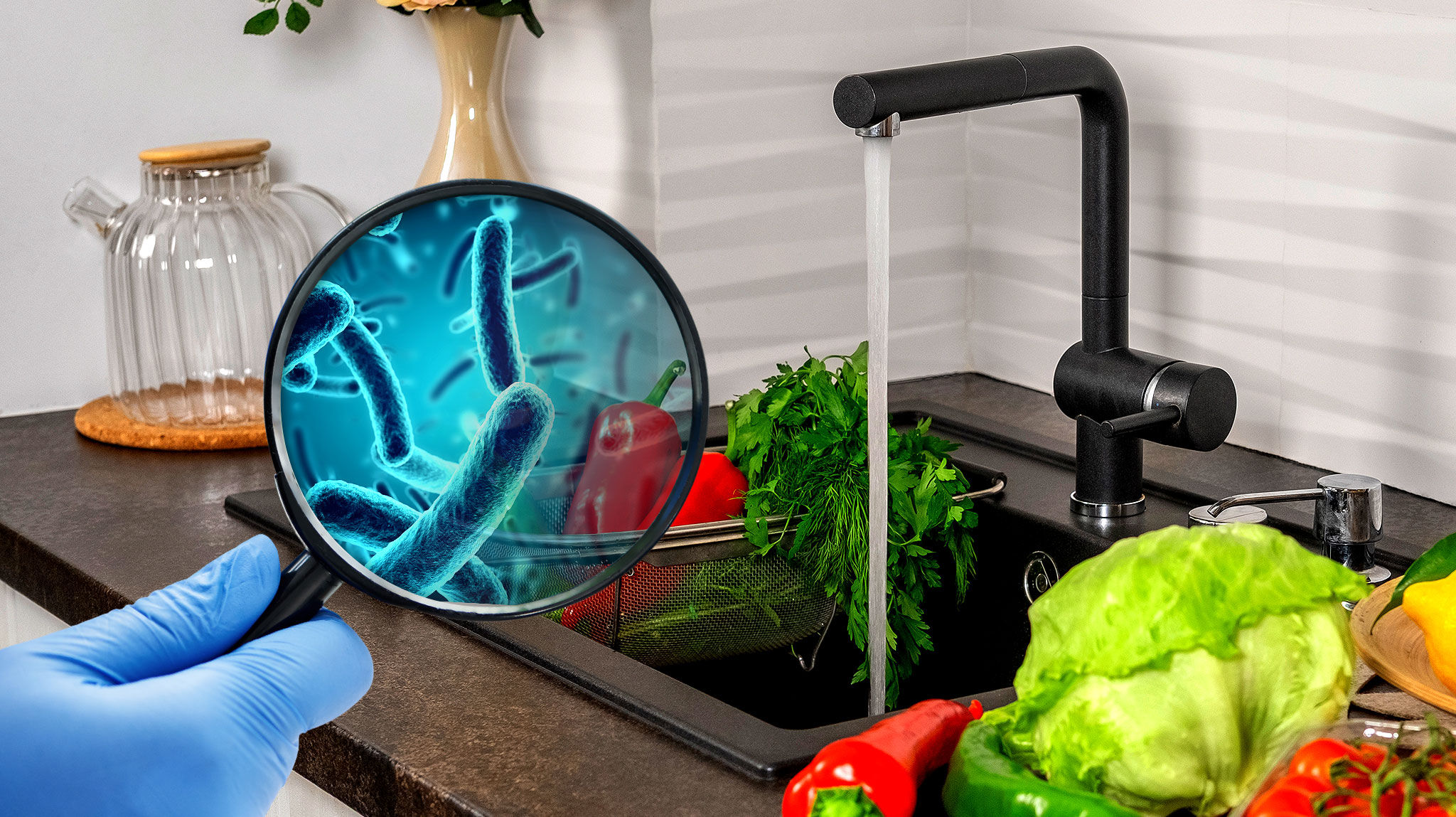
Microbial contamination occurs when harmful microbes, such as bacteria, viruses, fungi, and parasites, enter food, water, or the environment where they do not belong. This can make that food or water unsafe to use. These harmful microbes, also called pathogens, can cause illness in people and animals.
Microbes are tiny living things that we cannot see without a microscope. Some microbes are harmless or even helpful, but pathogenic bacteria like Salmonella and E. coli, and viruses like Norovirus, can make people ill when they contaminate food, water, or surfaces.
Understanding microbial contamination is important for public health and food safety. This guide explains what microbial contamination is, how it occurs, common examples, and why we need to prevent it to protect our health.
What Is Microbial Contamination?
Microbial contamination refers to the unwanted presence of tiny living organisms, such as bacteria, viruses, fungi, and protozoa, in places where they should not be, such as food, water, or surfaces. These microbes are pathogenic and can cause disease or food spoilage.
In simple terms, microbial contamination happens when harmful microorganisms spread into our food, drinking water, or environment and begin to grow. This can change the food’s quality and make it unsafe.
The microbes that cause contamination include bacteria such as Escherichia coli (E. coli), Salmonella, and Campylobacter; viruses such as Norovirus; and fungal contaminants such as molds or yeasts.
Microbial contamination can also affect clean areas like labs and factories when harmful microbes enter equipment or products undetected.
Understanding what microbial contamination is helps us see why it is important to keep food, water, and the environment clean and safe for everyone.
Types of Microorganisms Involved
In microbial contamination, several groups of microscopic organisms can be harmful. These are tiny living things you cannot see without a microscope. They can get into food, water, or surfaces, making people sick.
Bacteria
Bacteria are single-celled microbes that can grow in food and water and cause sickness when they contaminate them. Some bacteria, such as Salmonella, E. coli, and Listeria, are common causes of foodborne illness and infections.
Viruses
Viruses are even smaller than bacteria. They must enter a living cell to grow. Viruses such as Norovirus and Hepatitis A can contaminate food and water and spread quickly, especially when hygiene is poor.
Fungi (Molds and Yeasts)
Fungi include molds and yeasts. These microbes can grow on food, especially when it is wet or stored too long, leading to spoilage or producing toxins that can harm health.
Protozoa
Protozoa are single-celled organisms that can live in water or food. Some protozoa spread disease when people drink contaminated water or eat food that has been in contact with infected water or surfaces.
These types of microbes are all part of biological hazards that can cause microbial contamination in food, water, and other environments if they are not controlled. Knowing about these groups helps us see why food safety, proper hygiene, and proper handling are so important for preventing illness.
Where Microbial Contamination Occurs
Microbial contamination can happen in many places where bacteria, viruses, fungi, or parasites can find food, water, or surfaces to live and grow. Harmful microbes can get into our food, water, and environments at many points from farm to table, and in places we use every day.
Food Production and the Food Chain
Microbial contamination in the food supply chain can begin when food is grown or harvested and continue through processing, packaging, storage, transport, and handling before it reaches your plate. Pathogens can enter at any step if the food is touched with dirty hands, unsafe tools, or contaminated surfaces.
Food Processing and Storage Places
In factories and food processing environments, microbes can live on equipment, walls, air, drains, and unclean surfaces. They may form sticky groups called biofilms that are hard to remove and can contaminate food as it moves through machines or is stored.
Water Systems
Water used for drinking, washing food, or irrigating crops may contain harmful microbes, such as E. coli and other waterborne bacteria, when it comes from sources contaminated with sewage, animal waste, or faulty treatment systems. Contaminated water can spread microbes to food, crops, or ice.
Farms and Harvest Sites
Soil, water, and farm animals naturally host microbes. If raw materials like vegetables, fruits, or meat come into contact with soil or water contaminated with harmful microbes, those pathogens can remain on the food and grow later if not cleaned properly.
Healthcare and Other Places
In hospitals or clinics, microbial contamination can happen on medical tools, equipment, or water sources when cleanliness is poor. Harmful microbes in these environments can cause infections in patients.
Understanding where contamination often occurs helps us protect food and water and keep people safe. Simple steps like good hygiene, cleaning surfaces, and safe water handling can reduce these risks.
Health Effects & Risks
Microbial contamination can make people sick when harmful bacteria, viruses, fungi, parasites, or other pathogens get into food, water, or the body. Microbes such as Salmonella, Escherichia coli (E. coli), and Norovirus often cause foodborne illness, which is illness from eating contaminated food. Many people around the world get sick from foodborne diseases each year, and hundreds of thousands of people die from them.
Diarrhea is one of the most common signs that food or water has been contaminated. People may also experience vomiting, fever, stomach cramps, headache, dehydration, and nausea when microbes contaminate food or water. Some illnesses start within a few hours after eating contaminated food, while others may take days to develop.
People with weaker immune systems, such as young children, older adults, pregnant women, and those with chronic illnesses, often develop more serious illnesses from microbial contamination. Every day exposure to contaminated water can also lead to long-term health problems like malnutrition, stunted growth in children, or severe infections that need medical care.
Water contaminated with microbes, such as pathogenic bacteria, viruses, and parasites, can cause serious health issues when drunk or used in food preparation. Drinking contaminated water can lead to diarrhea, fever, and body aches, and is a major cause of illness in many countries, especially where access to clean water and sanitation is limited.
Because microbial contamination occurs at many points in the food and water systems, it is a major public health challenge affecting millions of people globally. Preventing it can reduce sickness, deaths, and healthcare costs and help keep everyone healthier.
Detecting & Testing for Microbial Contamination
Detecting microbial contamination means finding harmful microbes such as bacteria, viruses, fungi, or protozoa in food, water, or surfaces so the problem can be fixed before people get sick. Good testing methods are key to microbial contamination control and keeping food and water safe.
How Testing Works
Testing starts with a sample from food, water, or the environment. The sample may be checked for the total number of microbes (bioburden or microbial count) and for specific harmful pathogens, such as Escherichia coli (E. coli), Salmonella, or Listeria.
Culture-Based Methods
Traditional tests grow microbes on specialized media or in liquid in a lab. These culture-dependent methods help count and identify bacteria or fungi by growing them under specific conditions. This can take time, but it is a standard method for confirming the presence of microbes.
Indicator Organisms
Some tests look for indicator bacteria, like coliforms or E. coli, which suggest that harmful microbes may be present. One method for this is membrane filtration, where water is passed through a filter, and colonies are counted after incubation.
Rapid and Molecular Methods
Modern testing methods include PCR (Polymerase Chain Reaction) and ELISA tests. PCR amplifies specific DNA from microbes, enabling it to detect even tiny amounts of pathogens quickly. ELISA detects proteins or toxins produced by microbes and can provide rapid screening results. Rapid methods are useful for food safety checks and catching contamination earlier in production.
New Technologies
Advanced tools such as biosensors and molecular tests are being developed to enable faster, more accurate detection of harmful microbes in food, water, and the environment. These make it easier to monitor safety without waiting days for traditional results.
Good detection and testing help food producers, water systems, and healthcare settings catch microbial contamination early. This makes it safer for people to eat food and drink water without risking disease.
Prevention & Control Strategies
Preventing microbial contamination is the best way to protect public health. When we stop harmful bacteria, viruses, fungi, and parasites from spreading, we reduce the risk of foodborne illness and waterborne disease.
Prevention works at home, in food factories, in hospitals, and in labs. Simple daily habits and strong safety systems both play an important role.
Good Hygiene and Sanitation
Good hygiene is one of the most effective ways to prevent contamination.
- Wash your hands with soap and clean water before touching food
- Clean and sanitize surfaces often
- Keep raw food away from ready-to-eat food to prevent cross-contamination
- Use clean tools and equipment
In food businesses, strong sanitation programs help reduce microbial load on surfaces and machines. This lowers the chance that harmful pathogens such as Salmonella, E. coli, or Listeria monocytogenes will spread.
Safe Food Handling Practices
Proper food handling helps stop microbes from growing.
- Cook food to safe internal temperatures
- Keep hot food hot and cold food cold
- Store food at safe temperatures outside the danger zone
- Avoid using expired or spoiled food
These steps are part of food safety management systems, such as HACCP (Hazard Analysis and Critical Control Points). HACCP helps identify critical control points where contamination risks are highest and sets rules to control them.
Clean Water and Environmental Control
Clean water is essential for preventing contamination. Water systems should be monitored for indicator organisms and tested often.
In food processing plants and pharmaceutical facilities, environmental monitoring programs assess air, surfaces, and equipment for microbial contamination. Cleanrooms may follow standards like ISO 14644-1 and EU GMP Annex 1 to reduce contamination risks.
Controlling moisture, temperature, and pH levels also helps limit microbial growth.
Sterilization and Disinfection
Sterilization removes all forms of microbial life. Disinfection reduces microbes to safe levels. These methods may use:
- Heat
- Steam
- Chemicals
- Irradiation
Healthcare settings rely on strict sterilization to protect patients from infection. The food and pharmaceutical industries also use validated sterilization processes to meet regulatory standards.
Training and Awareness
Education is a powerful prevention tool. Workers should receive training on microbial contamination, including risks, proper hygiene, and safe handling methods.
Clear contamination control plans, regular audits, and robust quality control systems help businesses remain compliant with food safety regulations.
Preventing microbial contamination is not just a rule; it is a necessity. It is a shared responsibility. When individuals and industries follow safe practices, the risk of illness drops, and communities stay healthier.
Regulations & Standards
Many countries and global organizations set regulations and standards to reduce microbial contamination in food, water, and products. These rules help protect people from harmful bacteria, viruses, fungi, and parasites by requiring safe food handling, production, and testing.
Food Safety Laws and Good Manufacturing Practices
In the United States, the Food and Drug Administration (FDA) requires food makers to follow Current Good Manufacturing Practices (CGMPs). These rules make sure facilities, equipment, and workers are clean and do not spread microbes into food. Workers must be taught proper hygiene and keep surfaces clean to prevent contamination. Failure to follow these rules may make food illegal to sell.
The FDA also has an Office of Microbiological Food Safety. This office creates science-based policies and oversees guidelines to lower the risk of foodborne illness from harmful microbes.
HACCP Food Safety System
One of the most important standards is the Hazard Analysis Critical Control Point (HACCP) system. This system helps food makers identify steps where microbial contamination could occur and set limits to control it. HACCP has seven key parts, including finding hazards, setting critical control points, and monitoring to catch problems early. Companies must document their compliance with these rules and keep records to show it.
HACCP plans build on Good Manufacturing Practices and help food businesses prevent problems before they occur. They are used by food processors worldwide.
Microbiological Criteria and Standards
Many countries set microbiological standards that specify the number and types of microbes acceptable in food products. These standards are legal requirements that food businesses must meet to ensure their products are safe to eat. They help test for harmful microbes such as Salmonella, Listeria monocytogenes, and Escherichia coli (E. coli).
In the European Union, microbiological criteria are part of food safety regulations. These rules tell food businesses how to manage contaminants and test for common pathogens.
The Codex Alimentarius is a set of international food standards agreed on by the Food and Agriculture Organization (FAO) and World Health Organization (WHO). Countries use these standards to guide their own food safety rules and protect public health.
International Management Systems
Global standards such as ISO 22000 help food companies build strong food safety management systems. These systems include HACCP principles, preventive controls, and rules for microbial testing that work across borders and supply chains.
These regulations and standards work together to reduce microbial contamination and make food and water safer for everyone. They help food businesses prevent hazards and give governments rules to enforce safety and protect health.
Frequently Asked Questions
What is microbial contamination?
Microbial contamination occurs when harmful microbes, such as bacteria, viruses, fungi, or parasites, enter food, water, or other environments where they do not belong. This can make the food unsafe to eat or the water unsafe to drink. These microbes are also called pathogens when they cause sickness.
Can you see microbial contamination?
You cannot always see microbial contamination because microbes are very small and cannot be seen with the naked eye. Food can look, smell, and taste normal even when it contains harmful microbes.
How do microbes get into food?
Microbes can enter food at many stages:
- When food is grown, such as from soil or water
- During processing, packaging, or storage
- When handled with unclean hands or tools
These sources help pathogens like Salmonella and E. coli contaminate food.
What are common signs of food contamination?
Some foods contaminated with microbes may develop a bad smell, an unusual texture, or mold growth. But most harmful microbes do not change the look or smell of food, so you cannot rely on appearance alone to know if food is safe.
Why is clean water important in preventing contamination?
Water contaminated with fecal bacteria or other microbes can spread disease when used for drinking or washing food. Testing for coliform bacteria, such as E. coli, helps indicate whether water may contain harmful microbes.
Can contamination happen even with good hygiene practices?
Yes. Even with good hygiene, contamination can occur if there are unseen sources such as soil-borne microbes, waterborne pathogens, or biofilms on equipment surfaces. This is why many industries use multiple safety steps and monitoring.
What role do microbes play in water contamination?
Water supplies can become contaminated when sewage systems fail or animal waste runs off into water. These sources harbor microbes that can cause waterborne disease if not treated.
Is microbial contamination only a food safety issue?
No. Microbial contamination can also affect water safety, healthcare environments, and industrial products like pharmaceuticals when harmful microbes enter and grow.