
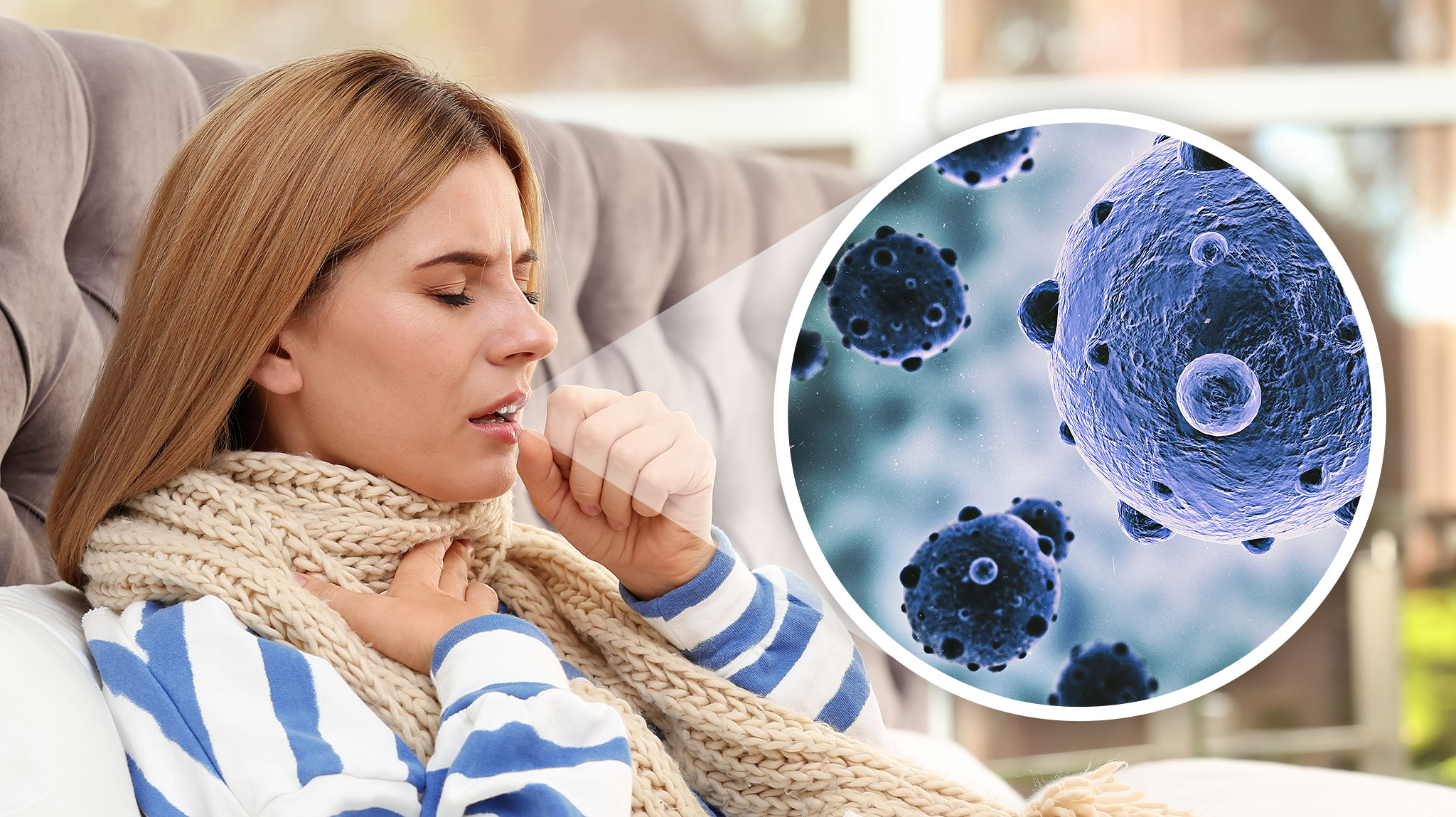
Legionnaires’ disease is a serious lung infection that can make people very sick. It is a type of pneumonia caused by Legionella bacteria in water. Most people get this disease when they inhale tiny aerosolized water droplets containing the bacteria.
This disease is not spread from person to person. Most healthy people who are near contaminated water systems do not get sick. But older adults, people who smoke, and people with weak immune systems are more at risk of severe illness.
Pontiac fever is a related but mild illness caused by the same bacteria. Pontiac fever does not usually cause pneumonia and often goes away on its own.
In this guide, you will learn about the causes, symptoms, risk factors, and prevention steps for Legionnaires’ disease. You will also learn why effective water safety plans and proper maintenance of water systems are important for preventing the spread of this disease.
What Is Legionnaires’ Disease?
Legionnaires’ disease is a serious lung infection that causes a type of pneumonia. It is caused by a group of bacteria called Legionella. Most often, the species Legionella pneumophila is responsible for this infection.
You get this disease when you breathe in tiny water droplets that contain the bacteria. These droplets can come from contaminated water systems, such as cooling towers, hot tubs, showers, or fountains. The bacteria can also grow in warm water in large plumbing systems and air-conditioning units in big buildings.
This disease is not spread from one person to another. Most people who are near the bacteria do not get sick. Only certain people, like older adults, smokers, or people with weak immune systems, are more likely to become ill.
Legionnaires’ disease is part of a group of diseases called legionellosis. Another related illness is Pontiac fever, which is milder and does not cause pneumonia.
This condition was first identified in 1976 at a meeting of the American Legion, where many people became ill from contaminated water in the building.
Causes & How It Spreads

Legionnaires’ disease is caused by a type of bacteria called Legionella, most often Legionella pneumophila. This bacterium can live in water and grow when conditions are right, especially in warm, stagnant water and in areas where a plumbing biofilm can form.
People get sick when they breathe in tiny water droplets that contain bacteria. These droplets can come from cooling towers, hot tubs and spas, showerheads and sink faucets, decorative fountains, and other sources of contaminated water.
The disease is not spread from person to person in normal everyday contact. Breathing in the aerosolized water droplets is the main way the infection enters the lungs. In rare cases, people may get sick if they accidentally breathe water into their lungs while drinking, but this is much less common.
Where Legionella grows:
- Hot tubs and spas that are not cleaned well
- Cooling towers on big air-conditioning systems
- Large plumbing systems like those in hotels or hospitals
- Fountains and water features
- Warm water tanks and heaters
These water sources can allow bacteria to multiply if the water remains warm and stagnant and is not properly maintained.
Risk and spread:
Sources like cooling towers and plumbing systems have been linked to clusters of Legionnaires’ disease in communities. When many people get sick in the same area, health officials often find a common water source that was spreading contaminated water.
Good water safety plans, regular cleaning, and proper maintenance of water systems help prevent bacteria from growing and reduce the risk that people will inhale harmful droplets.
Risk Factors
Legionnaires’ disease does not make everyone who breathes in Legionella bacteria sick. Most healthy people do not get sick, but some people are more likely to become ill after exposure because of risk factors.
Age and health conditions:
- People 50 years and older are more likely to get sick.
- People with chronic lung disease, such as COPD and emphysema, are at higher risk.
- People with weakened immune systems due to disease or medication are more likely to get sick.
- Other long-lasting conditions like diabetes, heart disease, kidney failure, or cancer increase the risk.
Lifestyle and exposures:
- Current or former smokers are more likely to develop Legionnaires’ disease.
- People who have recently been in a hospital or long-term care facility may be at higher risk of getting sick.
- People who travel and stay in hotels or on cruise ships may be at risk if water systems are contaminated.
People who are older, have health problems, or smoke usually have weaker defenses in their lungs. This makes it easier for Legionella pneumophila and other Legionella species to grow and cause pneumonia.
Good water management plans and safer water systems help reduce these risks by preventing Legionella growth in places like cooling towers, hot tubs and spas, and plumbing systems where it can spread.
Recognizing the Symptoms
Legionnaires’ disease usually starts with signs such as a high fever, cough, and body aches a few days after breathing in water droplets containing Legionella bacteria. The time from exposure to first signs is often 2 to 10 days.
Common early symptoms:
- High fever that can reach about 104 °F (40 °C) or more
- Headache
- Muscle aches
- Fatigue or feeling very tired
After a couple of days, more symptoms may develop as the lung infection worsens.
Symptoms that often follow:
- Cough, which may be dry at first and then bring up mucus or, rarely, blood
- Shortness of breath or trouble breathing
- Chest pain
- Nausea, vomiting, or diarrhea
- Confusion or other mental changes
These symptoms are similar to other types of pneumonia, but can be more serious. Legionnaires’ disease can also include gastrointestinal symptoms like stomach upset or diarrhea.
A milder illness caused by the same bacteria is called Pontiac fever. Pontiac fever resembles the flu, with fever, headache, and muscle pain, but it does not usually lead to pneumonia.
Most people who inhale Legionella pneumophila do not get sick, but symptoms that match this pattern should be checked by a doctor, especially in older people or those with health problems.
Diagnosis & Medical Evaluation
When a doctor suspects Legionnaires’ disease, they use specialized tests to confirm the diagnosis. This is important because Legionnaires’ disease can look like other types of pneumonia and cannot be diagnosed solely by symptoms or a chest X-ray.
How doctors check for Legionnaires’ disease:
- The first test is a urinary antigen test. This test looks for Legionella bacteria in urine. It can find Legionella pneumophila serogroup 1, the most common cause of the infection. This test works fast and helps doctors begin treatment sooner.
- A sputum culture or other respiratory tests may be done with mucus from the lungs. These tests can grow Legionella in the lab and help confirm the diagnosis.
- Sometimes a blood test is done, but it cannot diagnose the infection on its own.
Doctors may also use molecular tests such as PCR to detect Legionella DNA in samples. These tests can detect many Legionella types and are more sensitive than culture.
Testing is usually done when a person has pneumonia symptoms that do not improve with standard antibiotics, when the disease is severe, or when the person has risk factors such as recent travel, hospital stays, or a weakened immune system.
Effective diagnosis often uses more than one test so that doctors can be sure the person has Legionnaires’ disease and choose the right treatment.
Treatment Options

Legionnaires’ disease needs medical care right away. Doctors treat it with antibiotics that can reach into the part of the body where the Legionella bacteria live. Starting treatment early helps lower the chance of serious problems. Most people need to stay in the hospital to get the right care, but many do recover with the right medicines.
How it is treated:
- Most people receive antibiotics that are effective against Legionella pneumophila and other Legionella species. These include macrolides like azithromycin and respiratory fluoroquinolones such as levofloxacin or moxifloxacin.
- Some people may receive doxycycline or similar medicines when needed.
- Doctors choose the right antibiotic based on how sick a person is, how well their body fights infection, and test results.
Hospital care:
- Many people are hospitalized because they need extra support as their bodies fight the infection.
- If breathing problems get worse, doctors may help with extra oxygen or breathing machines.
Pontiac fever, the milder illness caused by the same bacteria, does not usually require antibiotics because it tends to go away on its own.
Why treatment matters:
Starting the right antimicrobial therapy early increases the likelihood that people will recover without serious complications. If treatment is delayed, the risk of long-lasting health problems or death rises.
Doctors may monitor a person’s health as they improve and continue antibiotic treatment until the infection is fully cleared.
Complications & Prognosis
Legionnaires’ disease can be very serious. It is a type of pneumonia that can lead to major complications and affect recovery and quality of life. How sick someone becomes depends on how early they are treated, their age, and whether they have other health problems.
Common complications:
- Respiratory failure in which the lungs cannot deliver enough oxygen to the blood, and extra help with breathing is needed.
- Kidney failure, when the kidneys stop working well.
- Sepsis, a severe body-wide reaction to infection that can be life-threatening.
- Other serious problems, like heart or brain infections, have also been reported in some people with Legionnaires’ disease.
Long-term effects: Some people who survive the infection may feel tired for a long time, have weak muscles, and experience memory issues even after leaving the hospital. These ongoing problems can affect daily life.
How likely is serious illness or death?
Overall, about 1 in 10 people who get Legionnaires’ disease die from it, although outcomes are better when treatment starts early, and the person is otherwise healthy. Some reports show the risk of death can range from 5% to about 30% depending on age, other diseases, and how soon treatment began.
Hospital care: Many people with severe Legionnaires’ disease need to stay in the hospital, and some may need care in an intensive care unit (ICU) where machines help them breathe. The more severe the disease, the more intense the care needed.
In summary, the prognosis for Legionnaires’ disease is better when people receive prompt treatment with the right antibiotics. Early medical care helps most people recover and lowers the risk of long-lasting problems or death.
Prevention: What You Can Do
Preventing Legionnaires’ disease means taking steps to stop Legionella, the bacteria that cause this lung infection, from growing and spreading in water systems and devices. The best way to protect people is to control Legionella growth and ensure water remains safe.
Water Management Plans and Safety
An important way to prevent Legionnaires’ disease is to create a water management program for buildings and places with complex water systems. A good plan helps identify where Legionella could grow, sets rules to monitor controls, and describes what to do if something goes wrong. It also keeps records and trains staff to follow the plan.
A water management plan should include:
- A team to watch and manage the plan
- A description of the water systems and where Legionella growth might happen
- Ways to check and keep temperature, disinfectant levels, and water flow within safe limits
- Steps to fix problems when they appear
- Regular documentation and review of the plan so it stays effective
Control Water Conditions
Legionella bacteria grow best in warm water between about 20°C and 45°C (68°F to 113°F). It grows poorly when the water is too cold or very hot. Controls include:
- Keeping hot water hot and cold water cold so the bacteria cannot multiply
- Flushing pipes and water lines regularly so water does not sit still and become stagnant
- Maintaining the right amount of disinfectant, like chlorine, so bacteria cannot grow easily
Maintenance and Cleaning
Regular cleaning and maintenance help prevent biofilm, scale, and sediment, which can protect bacteria and allow them to grow. This includes checking and cleaning:
- Cooling towers and evaporative condensers
- Hot tubs and spa systems
- Decorative fountains and water features
- Plumbing systems and storage tanks
Owners and managers should follow cleaning instructions and schedules and keep track of all work done.
Monitoring and Testing
Testing water for Legionella and checking system settings regularly are key parts of prevention. Monitoring should check:
- Water temperature
- Disinfectant levels like chlorine residuals
- Whether any devices that make mist (like cooling towers or sprayers) are working safely
Routine checks help find problems early so they can be fixed before people get sick.
Everyday Practices at Home and Work
Even at home, simple habits help reduce risk:
- Flush unused taps and showers often, so water stays fresh
- Keep water heaters set at safe temperatures
- Clean water devices like humidifiers and hot tubs regularly
- Ask building managers about water safety plans in hotels, hospitals, and workplaces, as these help protect everyone from Legionella growth
Common Misconceptions

Legionnaires’ disease can be confusing because it has serious symptoms like a high fever and cough, but there are some things people often misunderstand. It helps to clear up these points so you know what is true and what is not.
Legionnaires’ disease spreads from person to person
Many people think Legionnaires’ disease is contagious like the flu or a cold. This is not true. The disease is caused when someone inhales tiny water droplets containing Legionella bacteria from a water source. It does not spread from one person to another through talking, touching, or being near someone who is sick.
This is important because even though the disease is infectious, it is only caught from the environment, not from close contact with another person who has it.
You can get Legionnaires’ disease just from drinking water
Some people think simply drinking water will give them Legionnaires’ disease. This is not usually the case. The bacteria must enter the lungs, and this mostly happens when a person inhales mist or contaminated water droplets. Drinking water contaminated with Legionella does not normally cause Legionnaires’ disease.
Healthy people always get sick when exposed
It might seem like exposure to Legionella always leads to illness, but most healthy people do not get sick even when exposed to the bacteria. Only people with higher risk, such as older adults, smokers, or those with weak immune systems, are more likely to develop the disease after exposure.
There is a vaccine to prevent Legionnaires’ disease
Right now, there is no vaccine available to prevent Legionnaires’ disease. The best way to reduce risk is through careful water system maintenance, Legionella testing, and water safety plans that prevent the bacteria from growing and spreading.
Conclusion
Legionnaires’ disease is a serious type of pneumonia caused by Legionella bacteria, most often Legionella pneumophila. It usually occurs when people inhale tiny water droplets from contaminated water systems, such as cooling towers, hot tubs, or large plumbing systems in buildings. Most healthy people who come into contact with the bacteria do not get sick, but older adults, smokers, and people with weakened immune systems have a higher risk of developing the disease.
The illness often starts with symptoms like high fever, cough, muscle aches, and shortness of breath a few days after exposure. Prompt diagnosis with tests such as the urinary antigen test and sputum culture, followed by early antibiotic treatment, gives most patients a good chance of recovery.
Prevention is key. Effective water management programs, regular cleaning and maintenance of water systems, and careful monitoring of water temperature and disinfectant levels can greatly reduce the growth and spread of Legionella. Following these steps helps protect communities, especially in places like hotels, hospitals, and workplaces.
In summary, knowing what Legionnaires’ disease is, how it spreads, and the steps that keep water safe helps people take action to prevent infections and protect public health. Early care, effective prevention plans, and awareness help prevent outbreaks and keep people safe from this serious lung infection.