
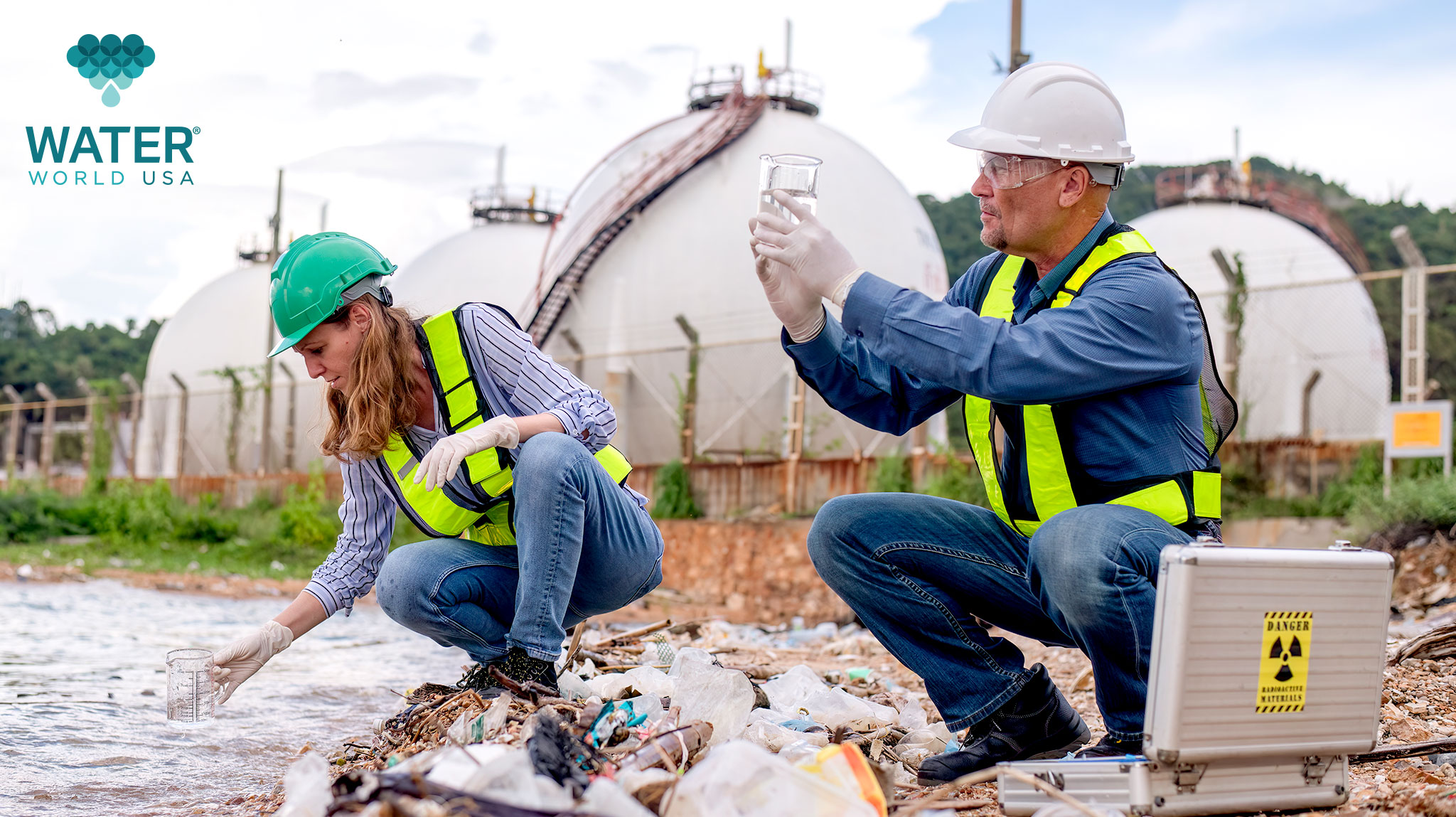
Understanding PFAS and Emerging Water Threats is about learning why certain chemicals in water pose a significant threat to people and the environment. Perfluoroalkyl and polyfluoroalkyl substances (PFAS) are a group of man-made, persistent organic pollutants that do not break down easily in the environment. They are often called “forever chemicals” because they persist in water, soil, and the air for long periods and can enter drinking water supplies across cities and towns. PFAS have been found in many public water systems, and studies show that these chemicals can pose health risks to humans and animals even at low levels.
Not all threats to water are from PFAS. There are many other emerging contaminants, such as pharmaceuticals, personal care products, and microplastics, that also make clean water harder to protect and treat. These substances can bypass regular treatment and enter groundwater and surface water bodies.
What Are PFAS?
Perfluoroalkyl and polyfluoroalkyl substances (PFAS) are a group of manufactured chemicals intentionally produced and used for many years in many products because they resist oil, water, and heat. These PFAS “forever chemicals” include specific compounds such as PFOA (perfluorooctanoic acid) and PFOS (perfluorooctane sulfonic acid), which are part of the larger group of perfluoroalkyl and polyfluoroalkyl substances. They were first widely used in the 1940s and have since been added to products such as waterproof fabrics, non-stick cookware, stain-resistant carpets, firefighting foams, paper and cardboard food packaging, and many other items.
Because PFAS chemicals are long-lasting and break down very slowly, they can spread into the environment and move through soil, air, and water over time. People worldwide are now finding PFAS contamination in groundwater, surface water, drinking water, and even in the blood of people and animals.
The main sources of PFAS contamination include:
- Industrial sites where PFAS are made or used, including chemical manufacturing plants and factories that use PFAS for coatings and treatments.
- Firefighting foam (AFFF) is used at military bases, airports, and fire training areas, which can leak PFAS into the soil and water.
- Wastewater discharge and old landfills are where PFAS from products and industrial waste break down and enter water systems.
- Everyday products that release tiny amounts of PFAS into the environment when they wear down, are washed, or are thrown away.
As a result, PFAS can end up contaminating municipal water systems, private wells, and freshwater pollution sources far from where they were originally made or used. This spread makes PFAS one of the most common emerging water contaminants and one of the biggest toxic water pollutant concerns today.
Researchers and regulators, such as the U.S. Environmental Protection Agency (EPA), continue to study how PFAS move through the environment and how they can affect human health and ecosystems, because these chemicals are widely distributed and difficult to remove once they enter water systems.
How PFAS Enter Water Supplies
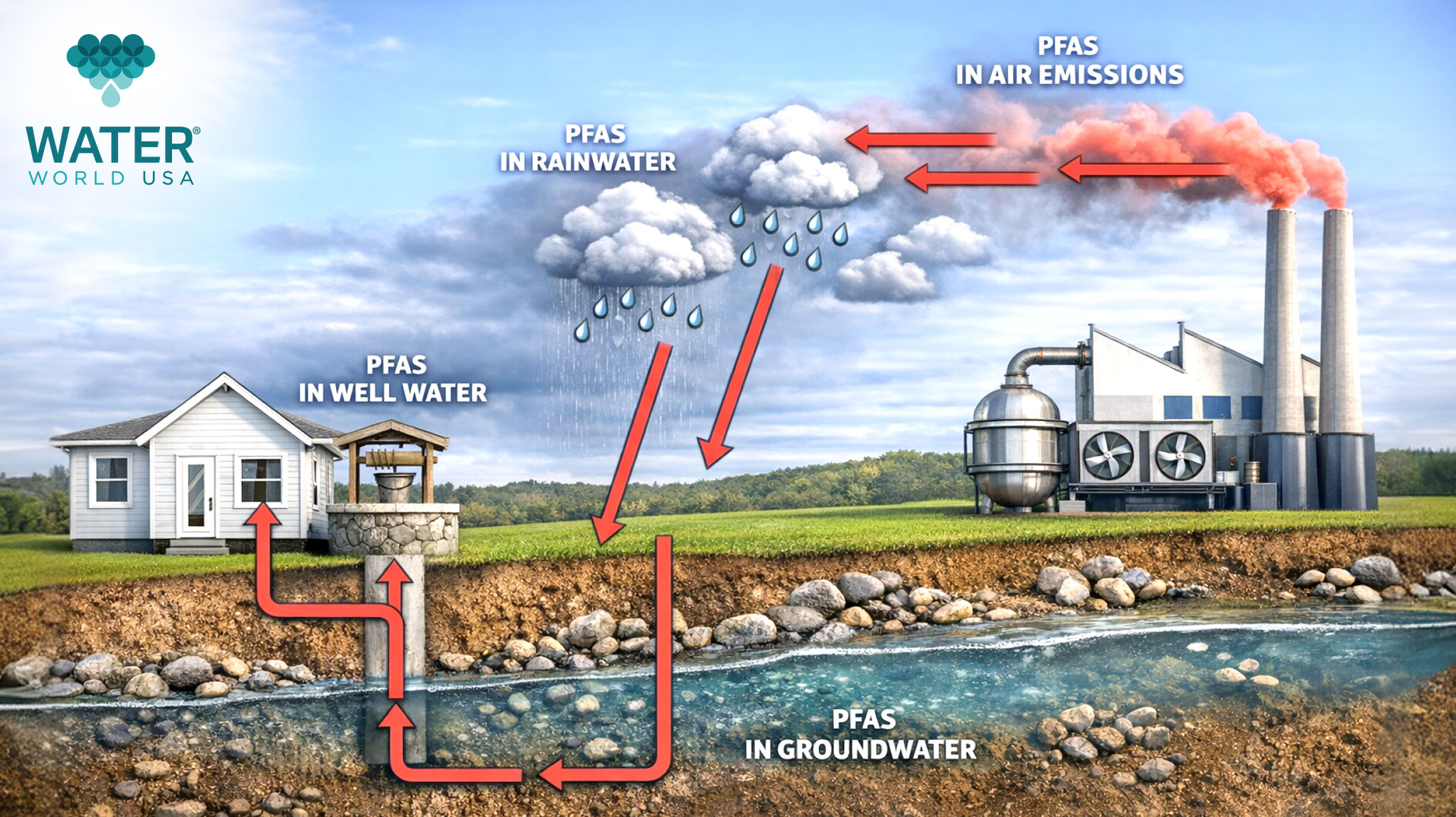
PFAS contamination occurs when these chemicals enter drinking water and other water sources used for daily life. PFAS can travel far from where they were first released and move into groundwater, surface water, and ecosystems. Understanding how this happens helps communities protect their water quality and reduce the risk of water pollution.
1. Industrial and Wastewater Discharge
One of the main ways PFAS enter water supplies is through industrial discharge. Facilities that produce or use PFAS may discharge wastewater containing these chemicals. Wastewater treatment plants then send this contaminated water into rivers, lakes, and streams, allowing PFAS to spread into drinking water sources.
2. Landfill Leachate and Runoff
PFAS-containing products thrown into the trash end up in landfills. When rainwater filters through the landfill, it can carry PFAS into the soil and into nearby groundwater and surface water bodies. Runoff from industrial sites, airports, and areas where firefighting foams were used also carries PFAS into water sources.
3. Firefighting Foams (AFFF)
Aqueous film-forming foams (AFFF) used to fight fuel fires are a significant source of PFAS contamination. These foams have been used at military bases, airports, and fire training sites. When AFFF soaks into soil or drains into water, PFAS can spread into local groundwater and surface water systems.
4. Consumer Product Pathways
Everyday products such as stain-resistant textiles, non-stick cookware, and some industrial materials can release PFAS when cleaned, washed, or worn down. These chemicals can then enter stormwater or sewer systems and eventually reach water sources.
5. Natural Movement Through Water
Once PFAS enter soil or water, they move naturally with water flow. PFAS can travel from contaminated groundwater into lakes, rivers, and streams through processes like groundwater discharge. The U.S. Geological Survey studies how PFAS fate and transport through watersheds, aquifers, and ecosystems to better understand exposure risks.
6. Widespread Groundwater Presence
Recent studies show that PFAS have been detected in many parts of the United States. A U.S. Geological Survey predictive model estimated that tens of millions of people may rely on groundwater with detectable PFAS levels for drinking water.
Understanding these pathways helps water utilities, regulators like the EPA, and communities plan testing, treatment, and cleanup efforts to protect drinking water quality from PFAS and other water threats.
Current Extent of PFAS Contamination (Data & Trends)
Researchers and health experts are finding that PFAS contamination in water is widespread both in the United States and around the world. Studies show that many drinking water sources now contain perfluoroalkyl and polyfluoroalkyl substances (PFAS), even in areas far from industrial sites, raising concerns about water quality and public health.
In the United States, a large study by the U.S. Geological Survey (USGS) tested tap water from hundreds of locations and estimated that at least 45 percent of U.S. tap water contains one or more types of PFAS. This means nearly half of all public supply and private wells sampled showed signs of these forever chemicals in their water.
Another USGS report found that about 71 to 95 million people in the lower 48 states, more than 20 percent of the country’s population, may rely on groundwater with detectable PFAS for their drinking water supplies.
Data from other sources also suggest that in the U.S., there are thousands of known PFAS-contaminated sites where water systems exceed safety guidelines, and millions of people live in communities with water that has tested positive for these chemicals.
The issue is not limited to the U.S. A large global study that reviewed tens of thousands of surface water and groundwater samples from many countries found that a large share of tested water supplies exceed PFAS safe drinking water limits set by various governments. This shows that PFAS contamination poses a global water threat and that current monitoring likely underestimates the problem due to limited testing for all PFAS types.
Overall, these findings make it clear that PFAS contamination of water supplies is widespread. This has made scientists, water utilities, and environmental agencies more focused on improving monitoring, treatment, and regulation to protect communities and ecosystems from ongoing exposure.
Health Impacts & Scientific Evidence
Exposure to PFAS in drinking water and the environment can affect human health in many ways. Scientists and health agencies around the world are studying how perfluoroalkyl and polyfluoroalkyl substances may harm people and wildlife. They continue to learn more, but current evidence shows clear links between PFAS exposure and several health concerns.
How PFAS Affects the Body
PFAS do not break down easily and can stay in the human body for years. Some types, like PFOS, PFOA, PFHxS, PFNA, PFDA, and newer alternatives such as GenX, can build up in blood and tissues. Long-term exposure has been associated with changes in liver enzymes, altered cholesterol levels, and effects on the immune system. Studies also suggest PFAS exposure can lower the body’s response to vaccines and may affect pregnancy outcomes.
Cancer and Chronic Diseases
Research shows possible links between PFAS in drinking water and increased risks of certain cancers, such as kidney and testicular cancer, and changes across other organ systems. A recent study estimated that thousands of cancer cases in the U.S. may be associated with PFAS exposure from contaminated water supplies, though more research is needed to confirm these findings.
Children and Sensitive Groups
Children and pregnant people may be more vulnerable. Because children drink more water relative to body weight and still have developing organs, they may absorb more PFAS and face greater health risks. PFAS exposure before and after birth may also affect early development.
Ongoing Research & Uncertainty
Health experts at the National Institute of Environmental Health Sciences (NIEHS) and other agencies are studying how PFAS exposure may relate to immune system problems, metabolic disorders, and effects on child development. Scientists are still working to understand the full extent of these impacts, especially from mixtures of different PFAS in water.
Overall, while research continues, there is strong evidence that PFAS in water pose real health risks, especially over long periods and for people with higher exposure. This is why experts stress the importance of monitoring and reducing PFAS in water supplies.
Regulatory Landscape & Policy Responses
Governments and environmental agencies are working to protect water from PFAS and other emerging threats by making new rules and policies. These actions aim to limit the presence of harmful chemicals in water, establish safety standards, and help communities and water systems reduce contamination risks.
U.S. EPA Actions
The U.S. Environmental Protection Agency (EPA) has been active in addressing PFAS under several environmental laws. The agency set the first federal drinking water rules that limit levels of certain PFAS, including PFOA and PFOS, to protect people’s health. These standards are part of the National Primary Drinking Water Regulation (NPDWR) and require public water systems to reduce PFAS in drinking water.
The EPA also developed the PFAS Strategic Roadmap plan to study these chemicals, improve testing and monitoring, and enforce cleanup where needed. This includes new methods to measure PFAS in wastewater, surface water, groundwater, soil, and other environmental media.
In addition, the EPA may use laws like the Safe Drinking Water Act, the Resource Conservation and Recovery Act (RCRA), and the Toxic Substances Control Act (TSCA) to control PFAS releases, require companies to report, and hold polluters responsible for contamination.
Some parts of the PFAS rules are under review and being updated, including the timelines for when water systems must meet the standards. These changes aim to give utilities more time to comply while still protecting public health.
Legal and Policy Challenges
Not all groups agree on how PFAS should be regulated. Some water utilities and industry associations have challenged the EPA’s drinking water rules in court, arguing that the agency did not follow proper procedures or that compliance costs are too high.
There have also been proposals from lawmakers to change federal rules that govern how PFAS are reviewed before entering the market. Critics warn that weakening oversight could allow more of these persistent organic pollutants into products and the environment.
State and Local Actions
In the United States, some states are creating their own PFAS standards that are stricter than federal guidelines. These state limits may limit the amount of PFAS, such as PFNA or PFHxS, allowed in drinking and surface water, and states may regulate products, wastewater, and soil contamination.
Global Regulatory Trends
Countries outside the U.S. are also working on PFAS rules. For example, nations in the European Union and other regions are considering or implementing limits on PFAS in drinking water and restrictions on their use in products. Worldwide, regulators are tightening standards to protect water quality and human health.
Why Regulation Matters
PFAS are linked to serious health concerns such as cancer, immune system disruption, and developmental issues. Because these forever chemicals persist in the environment and build up in living things, strong policies and regulations are important to reduce exposure from contaminated groundwater, surface water, and drinking water supplies.
These regulatory actions demonstrate governments’ growing efforts to address the risks posed by PFAS and other emerging water threats through science, monitoring, cleanup, and legal standards.
Challenges in PFAS Monitoring & Treatment
Understanding how to monitor and treat PFAS in water is hard because these chemicals are very persistent, and current tools still fall short in many ways. Scientists and water experts are working on better methods, but there are real challenges in keeping water safe from PFAS and other related contaminants.
1. Hard to Detect All PFAS Types
There are thousands of PFAS chemicals in the environment, but most standard testing methods only detect a small number of them. This means many PFAS could be present in water, but remain undetected with current tests. Also, new and emerging PFAS continue to appear, complicating monitoring.
2. Monitoring Is Not Consistent Everywhere
Water monitoring programs vary widely between regions and countries. Some water systems may test for PFAS frequently, while others may not test at all. Without consistent and widespread monitoring, it is difficult to understand the true extent of contamination or to compare results over time.
3. Treatment Systems Have Limits
Many water treatment technologies can remove some PFAS, but not all. Methods such as granular activated carbon, ion exchange, membrane filtration, and advanced oxidation are often used, but they can be expensive, complex to operate, and sometimes generate waste streams that must be safely managed.
4. Some Methods May Create Byproducts
Advanced treatment technologies, such as oxidation or combined systems, may break PFAS into smaller pieces, but in some cases, these breakdown products could be more toxic or still persistent unless fully mineralized. This means scientists must carefully evaluate whether a treatment method truly makes water safer.
5. Waste Disposal Is a Growing Concern
Once PFAS are removed from water, the waste that contains high concentrations of these chemicals must be managed. Many systems struggle with safe disposal, and regulatory guidance is still evolving. Without clear rules, treated waste can become another source of contamination.
6. Cost and Accessibility
Smaller and rural water systems often lack the funding and technical support needed to install advanced PFAS treatment technologies. This creates inequality in water protection and can leave some communities more vulnerable to long-term exposure.
In short, PFAS monitoring and treatment remain complex challenges for water utilities and environmental agencies. Improving detection methods, expanding consistent monitoring, and developing more effective and affordable treatment solutions are key steps in protecting water quality and public health from PFAS and other emerging water threats.
Emerging Technologies & Solutions

Scientists and engineers are developing new tools and approaches to more effectively detect and remove PFAS from water. These technologies aim to capture, break down, or destroy PFAS, helping water systems protect people and the environment from forever chemicals and other emerging water threats.
Better PFAS Removal Materials
Recent research has created materials that can capture PFAS much faster than traditional filters. One example is a special compound made from copper and aluminum that binds PFAS much more quickly than granular activated carbon filters used today. In tests with river water, tap water, and wastewater, this material removed PFAS efficiently and may help treat water sources in the future.
Advanced Treatment Methods
New treatment systems are being studied that go beyond simple capture. These include technologies that first collect PFAS from water and then break the strong carbon-fluorine bonds that make them so hard to remove. Processes using advanced oxidation, plasma reactors, or UV light are under development to destroy PFAS rather than just concentrate them.
Some systems, such as supercritical water oxidation, have been commercialized and can destroy a wide range of PFAS with high efficiency, turning them into harmless compounds rather than leaving contaminated waste behind.
Detection and Smart Monitoring
Current lab tests, such as chromatography and mass spectrometry, are accurate but complex and costly. New sensor technologies and field-ready methods are being explored to accelerate and reduce the cost of PFAS detection. These innovations help water managers measure contamination in real time and adjust treatment systems more effectively.
Integrated Detection & Removal Systems
Researchers are testing hybrid systems that combine sensors with treatment, enabling both detection and removal in a single process. Some approaches use nanomaterials and materials such as metal-organic frameworks (MOFs) to both trap PFAS and help water utilities monitor contamination in real time.
Nanotechnology and Photocatalysis
Emerging methods explore nanotechnology and light-triggered reactions to break down PFAS. These cutting-edge options could one day help water treatment facilities destroy PFAS without producing harmful waste.
What This Means for Water Systems
While many of these technologies are still being tested or scaled up for wide use, they represent hopeful progress in the fight against PFAS and similar contaminants. Combining improved detection tools with advanced treatment processes may enable communities, utilities, and environmental agencies to better protect drinking water quality and reduce long-term exposure to persistent chemicals.
Mitigation Strategies for Communities & Water Utilities
Communities and water systems are using practical steps to reduce PFAS pollution and protect drinking water quality. These actions focus on preventing PFAS from entering water, upgrading treatment, and helping people stay safe.
1. Reduce PFAS at the Source
Preventing PFAS from entering water is one of the best ways to protect communities. Strategies include working with industries to reduce PFAS discharge in wastewater and runoff, and replacing aqueous film-forming foams (AFFF) with safer alternatives where possible. Reducing releases at the source helps keep groundwater and surface water cleaner over time.
2. Upgrade Water Treatment Systems
Water utilities are installing new systems to remove or reduce PFAS in drinking water. Technologies like granular activated carbon (GAC), ion exchange, and other advanced filtration methods can reduce PFAS levels before water reaches homes and schools. Targeted upgrades help utilities meet safety standards and improve water quality for residents.
3. Monitor and Test Water Regularly
Regular testing of groundwater, wells, and treatment plants shows where PFAS may be present and how levels change over time. A good monitoring plan guides utilities and communities in choosing the best mitigation steps and knowing when treatments need adjustment.
4. Safely Manage PFAS Waste
When PFAS are removed from water, the waste containing these chemicals must be handled carefully to prevent it from re-entering the environment. New guidance encourages safe destruction and disposal practices to prevent re-contamination of soil or water.
5. Access Funding and Support
Funding from federal and state programs helps communities, especially small or rural systems, afford PFAS mitigation projects. Some states are using federal grants to test water and install treatment systems that protect residents.
6. Community Engagement and Education
Sharing accurate information with residents helps people understand PFAS risks and mitigation actions. Utilities and local leaders can explain what is being done to protect water and why certain investments or changes are necessary.
7. Legal and Financial Remedies
Some communities affected by PFAS contamination pursue legal action or join settlements to secure funding for cleanup and infrastructure upgrades. These efforts help close funding gaps and support long-term mitigation work.
Together, these mitigation strategies help water utilities, communities, and regulators reduce PFAS risks, improve water quality, and protect public health from persistent contaminants.
Case Studies & Real-World Examples of PFAS Contamination
Understanding how PFAS contamination affects real communities shows the human and environmental impact of “forever chemicals” and highlights how local responses can vary. Below are real examples of contamination events and how people, water utilities, and regulators reacted.
1. U.S. Community Exposures and Health Studies
Researchers have studied multiple communities across the United States where PFAS entered drinking water from firefighting activities and industrial emissions. This study links PFAS exposure with a range of health outcomes in adults and children, helping scientists measure real human impact.
2. Water & Wastewater Treatment Case Studies
Case reports from the water sector describe how utilities identified PFAS in supplies and what technologies they implemented to manage them. These include evaluating the effectiveness of removal, regulatory requirements, and treatment complexities in real water systems.
3. Community Response Examples
In some U.S. towns, local residents took leadership roles to respond to PFAS contamination. Research comparing actions in places like Pease Tradeport, New Hampshire, and Hyannis, Massachusetts, shows how community involvement, local regulations, and activism shaped PFAS responses and access to health research.
4. Personal Stories of Impact
PFAS contamination is not just a technical issue; many families across the U.S. have faced real consequences from contaminated water. Stories from affected communities describe ongoing health concerns, efforts to secure safe water, and the emotional toll of living with contamination.
5. Broader Case Study Repositories
The PFAS Interstate Technology & Regulatory Council has compiled detailed case studies that show how sites were characterized, risk was assessed, water quality was impacted, and the communication strategies communities used to inform residents.
Why These Cases Matter
These real-world examples help show:
- How PFAS enter local water supplies through firefighting foams, industry, and runoff.
- The public health connection between drinking water contamination and elevated PFAS levels in people’s bodies.
- The range of responses, from advanced treatment installations to grassroots community action.
Learning from real events helps utilities, regulators such as the U.S. Environmental Protection Agency (EPA), and communities develop better plans for monitoring, treatment, and communication as part of a broader effort to address PFAS and other emerging water threats.
Practical Advice for Individuals
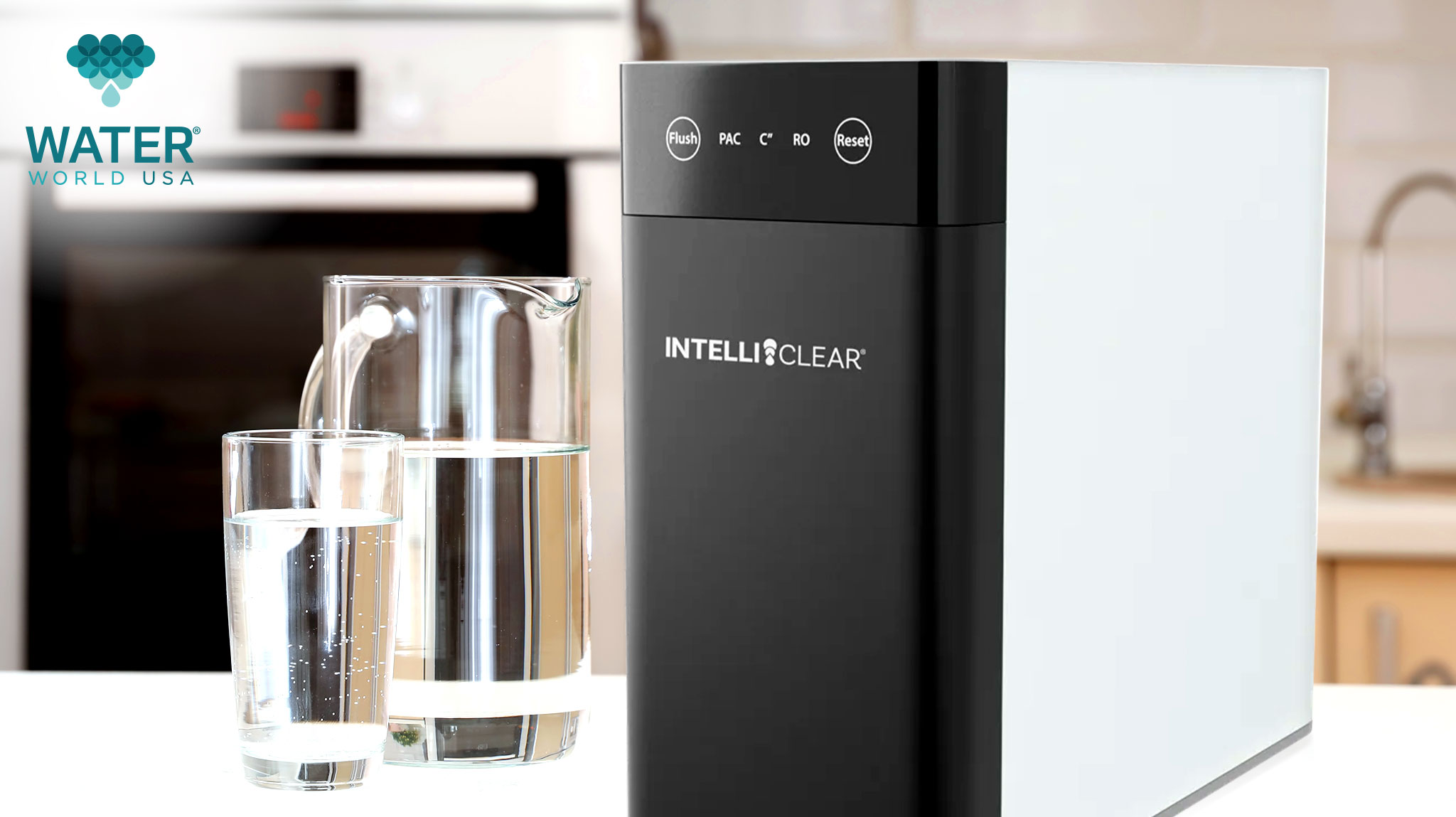
Here are clear, practical steps you can take to lower your exposure to PFAS and protect your health if you are worried about these emerging water threats in your drinking water. These tips apply whether your water comes from a public water system or a private well.
1. Learn What Is in Your Water
- Ask your local water utility if they have tested your drinking water for PFAS and other contaminants.
- If you have a private well, consider having your water tested by a state-certified laboratory using EPA-approved methods to determine whether PFAS are present.
2. Use Certified Home Water Filters
- If PFAS are found, using a home water filter that is designed to reduce PFAS can lower your exposure. Filters that meet NSF/ANSI 53 or 58 standards are more effective at reducing PFAS levels.
- Common options include granular activated carbon (GAC) and reverse osmosis systems installed at your sink or whole-house system.
- Replace filter cartridges regularly according to the manufacturer’s instructions to ensure they continue to work properly.
3. Consider an Alternate Water Source
- If PFAS levels are high or your water utility has not yet treated your water, you might choose bottled water tested for PFAS or use another safe water source for drinking and cooking.
- For private wells, using an alternate source for cooking, brushing teeth, or making baby formula can reduce daily exposure while you work on long-term solutions.
4. Stay Informed and Maintain Your System
- Contact your state health department or environmental agency for advice and lists of labs certified to test for PFAS in drinking water.
- Keep up with regular maintenance on any home treatment systems you install so they continue to remove PFAS effectively.
5. Reduce Other PFAS Sources
- While drinking water is often the biggest source of PFAS exposure, these chemicals can also be in food packaging, cookware, and consumer products. Limiting the use of these products can reduce your overall exposure.
Taking these steps can help you manage your personal exposure to PFAS until broader regulatory and water system solutions are fully in place.
Conclusion
Understanding PFAS and other emerging water threats is essential for protecting drinking water quality and public health. PFAS are a large group of persistent, man-made chemicals that resist breaking down in the environment, which is why they are often called “forever chemicals.” They have been found in water, air, soil, wildlife, and even human blood worldwide. PFAS contamination of water has become a global concern because these chemicals can travel far from their original sources and may pose health risks, including effects on the immune system and increased risk of disease.
Water systems and private wells in many regions show detectable PFAS levels, and studies suggest that groundwater and surface water in many areas fail to meet safe drinking water limits set by some governments. This widespread contamination has led scientists, regulators, and water utilities to pursue better monitoring, treatment, and remediation strategies to protect communities.
Efforts to manage PFAS include stricter rules for drinking water standards, stronger monitoring programs, investment in advanced treatment technologies, and ongoing research into detection methods. Improvements in how PFAS are understood, tracked, and removed will help water managers reduce exposure and safeguard public water supplies.
At the same time, individuals can take steps to learn about local water quality, test their water for PFAS, use appropriate filters, and reduce other sources of exposure. Together, community action, science, policy, and technology can work to keep water safer and reduce the long-term threats posed by PFAS and other emerging contaminants.